Mica Testing Laboratory India: A Complete Guide to Quality Assurance and Compliance Standards
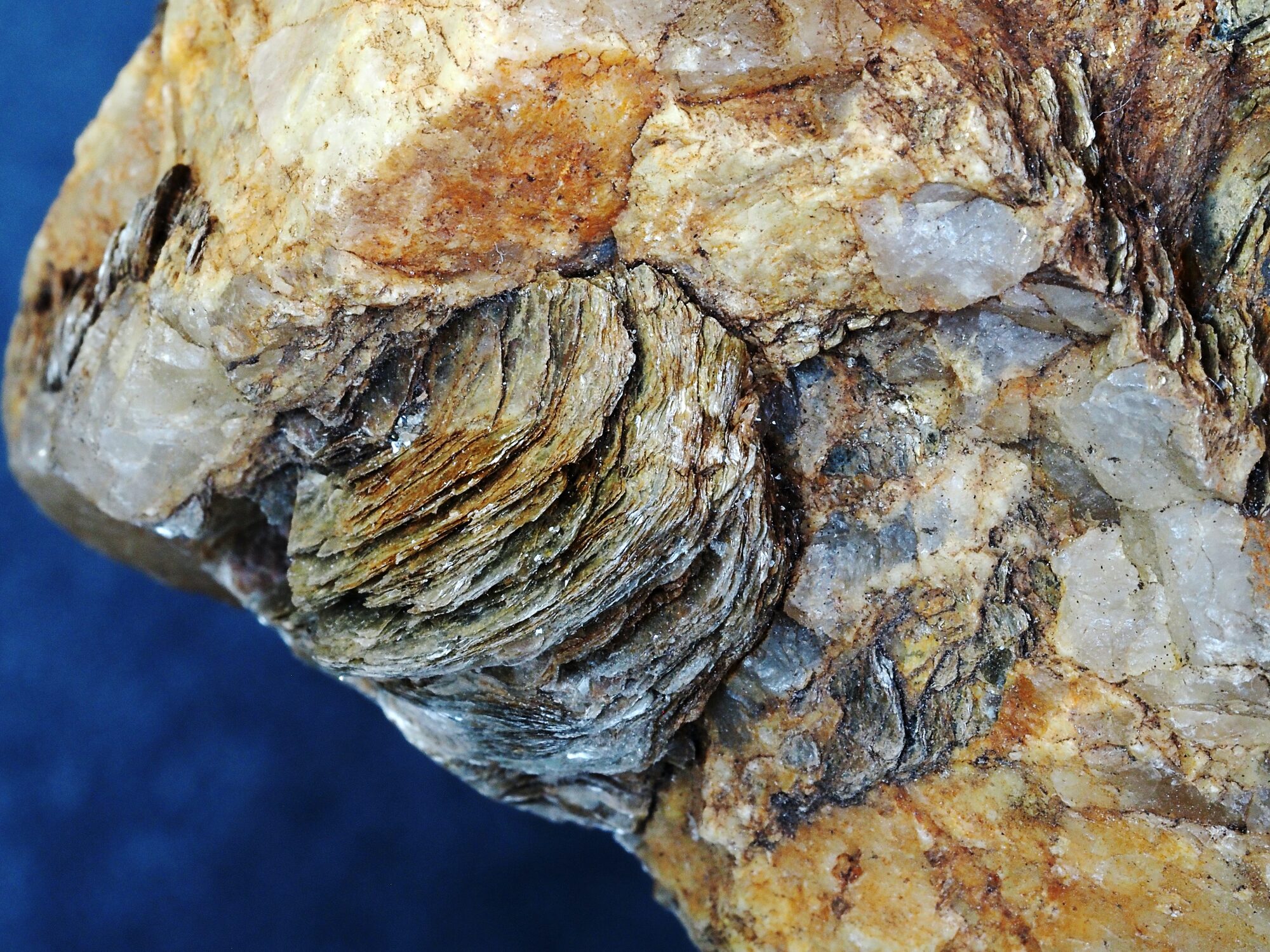
Discover how mica testing laboratory India services ensure quality compliance for electrical insulation, EV batteries & industrial applications.

Group
Industries
Ammonia is the largest near-term play. The National Green Hydrogen Mission target of five million tonnes a year by 2030 implies green-ammonia capacity across twelve or more announced Indian projects, and all of it is static equipment.
Request a QuoteEnergy transition is not a vertical for TCR. It is a cross-cut that runs through every existing vertical. Industrial decarbonisation, electrification of mobility, hydrogen-based chemistry and steelmaking, ammonia bunkering for marine fuel, captive renewable integration at thermal plants and the carbon-capture-and-storage capex layer are all programmes that touch the same buyers TCR already serves.
The static-equipment specialist line continues to apply: the equipment that holds hydrogen, ammonia, supercritical CO2, refrigerated cryogens, and the chemistry of bio-feedstock streams is the surface area where TCR's testing, NDT, FFS, RLA, KBA, and ECA practices remain the work.
Six cross-cutting capability themes anchor the section.
Hydrogen has been an integrity-engineering priority since the early refining vertical work. The decarbonisation expansion (green-hydrogen production at electrolyser plants; hydrogen blending in natural-gas trunklines; hydrogen-fuelled aviation, automotive, and rolling stock; hydrogen-DRP green steel; hydrogen co-firing in thermal power) extends the existing capability surface. The base capability is mature and the buyer pool is now scaling.
| Capability | Standard | Cross-Reference |
|---|---|---|
| Hydrogen embrittlement screening on plated and coated fasteners | ASTM F519, ASTM F1624 incremental step-load | Section 4.2, 4.7.5; Section 11h Aerospace; Section 11l Automotive; Section 11d Pipelines |
| Hydrogen embrittlement on alloy and carbon-steel bolting in petroleum and natural gas | API 20E | Section 4.2, 4.7.5; Section 11e Oil and Gas Upstream |
| Hydrogen Induced Cracking on sour-service line pipe | NACE TM0284 (Solution A and Solution B) | Section 4.7.2; Section 11d Pipelines; Section 11e Oil and Gas |
| Stepwise cracking and Stress-Oriented HIC | NACE TM0284 plus NACE TM0177 Method A combined | Section 4.7.3; Section 11d, 11e |
| Hydrogen Induced Disbonding (HID, the April 2026 test facility) | ASTM G146 | Section 4.7.4; clad pressure vessels and overlays in refining and petrochemical sour service; Section 11a, 11k |
| High-Temperature Hydrogen Attack detection in operating equipment | API 941 (Nelson curves) | Section 5.2.4; Section 6 (FFS); Section 11a Refining; Section 11b Power; Section 11c Fertilisers; Section 11g Steel |
| CTOD with H2S hydrogen pre-charging on sour-service material | ISO 15653, ISO 12135, BS 8571, NACE TM0177, NACE MR0175 / ISO 15156, NACE TM0284; the L&T-developed 96-hour H2S charge plus 20-minute load window | Section 3.8; Section 11e Oil and Gas; Section 11f Marine |
The capability set crosses cleanly into the green-hydrogen orbit (PEM and alkaline electrolyser equipment qualification; hydrogen storage and transmission pipework; hydrogen-fuel-station compressor and dispenser equipment; ammonia synthesis loops fed by green hydrogen; aerospace hydrogen-fuel pressure vessels).
Ammonia is the single largest near-term play in the energy-transition space. The Indian National Green Hydrogen Mission target of 5 million metric tonnes per annum of green hydrogen by 2030 implies green-ammonia capacity additions across the 12+ announced Indian projects.
The IMO 2030+ marine-fuel decarbonisation pathway is bringing ammonia bunkering capability into the GCC, Singapore, and Indian port ecosystems. Ammonia co-firing for thermal power decarbonisation is the third leg.
TCR's ammonia-value-chain capability is anchored in the Fertilisers vertical (Fertilisers) and extends across:
CCUS surfaces across three integrity-engineering scopes.
| Scope | Surface |
|---|---|
| Amine-system corrosion qualification | MEA degradation, regenerator and rich-amine exchanger corrosion, foaming-induced erosion; cross-vertical with Refining (FCC retrofit, SMR) and Fertilisers (blue ammonia) |
| Supercritical CO2 transmission piping | Dense-phase brittle-fracture qualification at low temperatures; under-deposit corrosion at low temperatures; ASME B31.4 / B31.8 cross-pillar adaptation; cross-vertical with Pipelines Section 11d |
| FCC flue-gas CCS retrofit qualification | High-temperature material qualification at the post-combustion capture interface; cross-vertical with Refining Section 11a and Power Section 11b |
The CO2 EOR (enhanced oil recovery) trend in the Indian onshore basins (Bombay High, Cambay, Krishna-Godavari, Cauvery) brings supercritical CO2 piping and reservoir-tie-in qualification work; cross-vertical with Oil and Gas Upstream Section 11e.
Renewable-feedstock co-processing on existing refining hydroprocessing trains brings new corrosion-mechanism scope: free fatty acid corrosion on co-processing units; chloride introduction from waste-oil feedstock; oxygenate cracking. The corrosion-testing bench (see Corrosion & Sour Service) and the corrosion-monitoring service line carry the relevant qualification capability.
Sustainable Aviation Fuel production at Indian refineries (BPCL Bina, IOCL Paradip Petrochemical Complex, HPCL Mumbai, Reliance Jamnagar) brings cross-vertical capex (Refining vertical, refinery efficiency block).
Bio-based chemicals and bio-refining (lactic acid, succinic acid, bio-ethylene, furfural; cross-vertical with Refining and Chemical Processing Section 11k) bring new corrosion mechanism scope on bio-feedstock streams.
The EV transition runs through Automotive Section 11l. Three new test surfaces have been opened up.
Mica testing for EV battery thermal insulation. Per ASTM C177 / ISO 8302 (Guarded Hot Plate) for thermal conductivity. The barrier-material qualification protects against thermal-runaway propagation. May 2026 net-new application; client base spans Ola Electric, Ather Energy, TVS iQube, Bajaj Chetak, Tata Nexon EV, Mahindra XUV400 EV.
Battery-pack structural-mounting fatigue. Cyclic-load qualification per ASTM E466 / E606 for module-mounting structures.
Battery cell housing and BMS housing. Compositional and mechanical qualification of cell-can materials and BMS chassis.
The Battery Energy Storage System integration at thermal-plant sites (cross-vertical with Power Section 11b) brings new electrochemical and fire-safety surface area; cross-pillar with Section 11o Insurance Referee where BESS fire-event referee work emerges.
The hydrogen-fuel-cell vehicle programme (Tata Motors, Toyota, Hyundai pilot programmes; cross-vertical with Pipelines and Refining for hydrogen fuelling stations) brings hydrogen embrittlement and pressure-vessel scope.
Solar-PV integration at thermal-plant sites brings structural-steel testing for module-mounting structures. Wind-turbine foundation pile, transition-piece, and monopile-to-tower flange testing brings cross-vertical scope from Steel and Marine. Floating offshore wind brings dynamic-fatigue and cathodic-protection scope.
The cycling-and-flexible-operation effect of renewables on baseload coal plant drives low-cycle fatigue surface area on existing thermal fleet.
The growing Indian Government hydrogen-fuel-station rollout for hydrogen-fuelled trucking on the highway corridor brings cross-vertical hydrogen-storage and pressure-vessel scope.
Flood-resistant bridge design, scour-mitigation engineering, sub-water bridge-pier inspection, cyclone-resistant façade and cladding, hurricane-resilient structural-steel framing, and fire-resilient industrial structures all add new testing scope as the climate-impact-and-adaptation capex layer scales.
TCR is built for the energy-transition cross-cut.
The static-equipment specialist line, the 9,000+ failure-investigation archive, the 100,000+ replicated microstructure database, the published-author bench at ASM International, the in-house long-duration creep, fatigue and CTOD, sour-service corrosion, and HID test infrastructure, the AiOM digital backbone with AiOM-CCP for cross-country pipelines, the NABL ISO/IEC 17025:2017 accreditation with ILAC MRA reciprocity, and the cathodic-protection turnkey under the CP Division all transfer cleanly into the new buyer pools.
The strategic frame holds: the energy transition is a continuation of the integrity-engineering work TCR has done since 1973, applied to new equipment, new materials, and new operating envelopes, rather than a separate practice that requires new capability builds.
2 published insights on this site carry the Energy Transition tag. The 2 most recent are below.
Discover how mica testing laboratory India services ensure quality compliance for electrical insulation, EV batteries & industrial applications.
TCR Engineering heads to India Energy Week 2026—bringing precision, integrity, and future-ready engineering to the global energy stage.
No. Energy transition is a cross-cut that runs through every existing TCR vertical: industrial decarbonisation, electrification of mobility, hydrogen-based chemistry and steelmaking, ammonia bunkering, captive renewable integration and the carbon-capture capex layer all touch the same buyers TCR already serves.
Yes. Hydrogen has been an integrity-engineering priority since the early refining vertical work, and the capability extends to green-hydrogen electrolyser plants, hydrogen blending in natural-gas trunklines, hydrogen-DRP green steel and hydrogen co-firing in thermal power.
Ammonia is the single largest near-term play in the energy-transition space. The National Green Hydrogen Mission target of 5 million metric tonnes per annum by 2030 implies green-ammonia capacity additions across the 12-plus announced Indian projects, and TCR's static-equipment testing, NDT, FFS and RLA practices carry that scope.
Yes. CCUS surfaces across three integrity-engineering scopes, including the equipment that holds supercritical CO2 and refrigerated cryogens, where TCR's testing, NDT, FFS, RLA, KBA and ECA practices remain the work.
Yes. Co-processing on existing hydroprocessing trains brings free fatty acid corrosion, chloride introduction from waste-oil feedstock and oxygenate cracking, and TCR's corrosion-testing bench and corrosion-monitoring service line carry the relevant qualification capability.