+91 98335 30200  ·  sales@tcreng.com
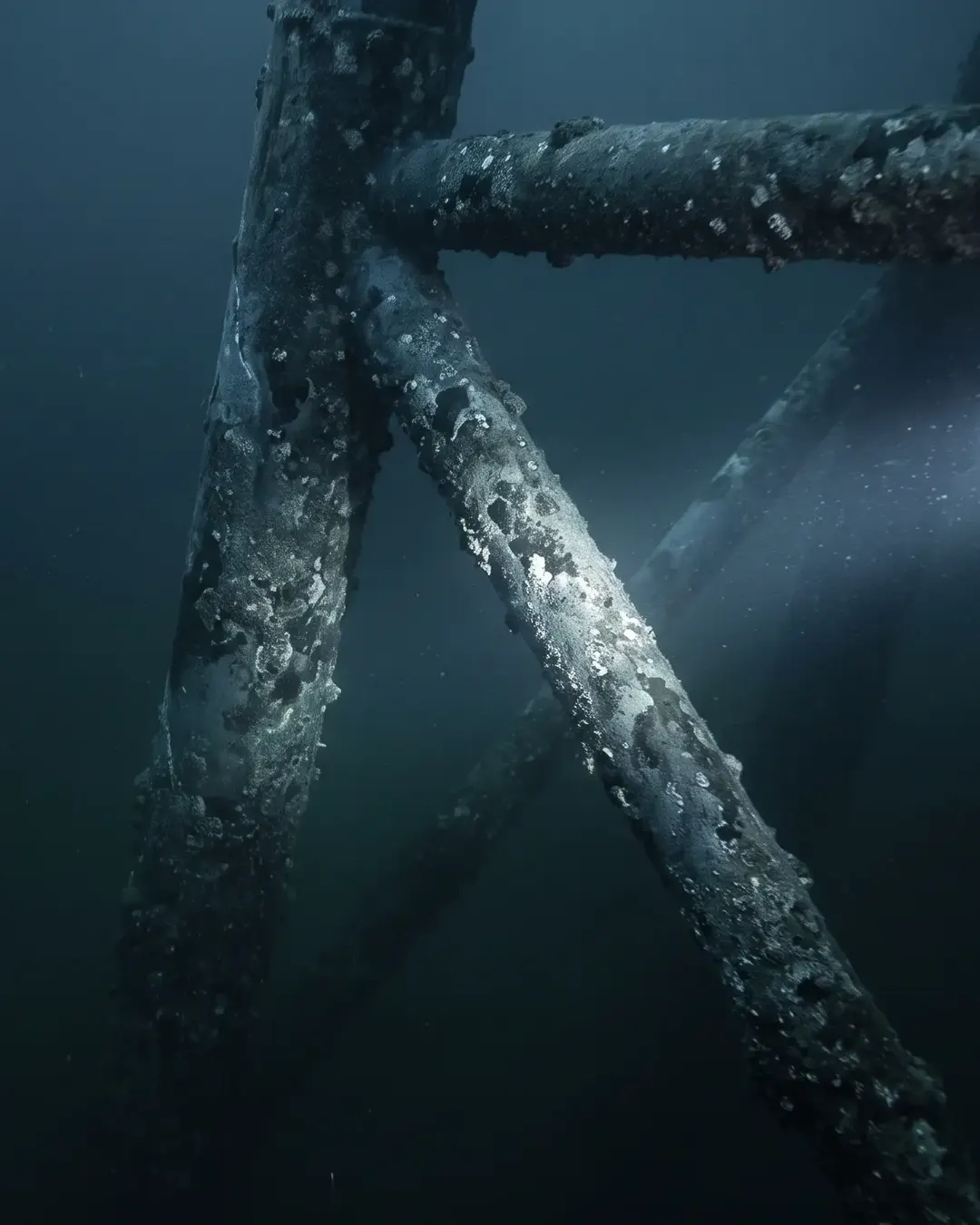
A submerged jacket leg lit by a cold beam in dark water

Services · Robotic and AI-Assisted Inspection

Submersible ROV, Underwater Inspection (Planys Alliance)

The vehicle enters through a 20 inch manhole, weighs about 35 kg, and carries a gimballed ultrasonic probe reading 3 mm to 250 mm at 2.25 MHz to a resolution of 0.05 mm. The tank stays full and in service.


Request a Quote

Overview

The Planys alliance carries the underwater robotic inspection ROV for water storage tanks, sub-water bridge piers, intakes, outfalls, sumps, and reservoirs. The capability sits at TCR Arabia and is deployed across India and the GCC.

Specifications, Use Cases and Delivery Advantages

SpecificationValue
Manhole entry20 inch or greater
WeightApproximately 35 kg (portable)
PowerAC 230V 50/60Hz at 6 kW
CamerasHigh-Definition with powerful lights for live streaming visual inspection
Ultrasonic ThicknessProbe with gimbal, 3 to 250 mm range, 2.25 MHz, resolution 0.05 mm
Coating-tolerant UTThickness measurement over various coatings
Silt assessmentSONAR
Position and depthAccurate position and depth sensors
Digital reportingGeotagging of data with defects, localised defect videos, data enhancement, central data repository, year-on-year comparison, prediction and trend analysis, RBI integration

Use cases: Desalinated water tanks; potable water tanks; fire-water and hydrant tanks; de-mineralised water tanks; storage tanks; sumps; intake and outfall structures and pipelines; channels and reservoirs. Bridge pier and abutment inspection. Intake structure and forebay inspection at thermal power plants. Jetty pile inspection at marine terminals. Above-ground water-storage tank under-water inspection without shutdown.

Delivery advantages over the conventional emptied-and-manually-inspected workflow. Safer (no confined-space personnel exposure).

Live result monitoring. Save costs by delaying turnaround. No shutdown required. Online rapid and accurate inspection. Digital reporting dashboard.

Related insights

No published insight is tagged to ROV Underwater specifically yet. The most recent Robotic Inspection articles are below; the full index carries all 4.

Read all 4 Robotic Inspection insights →All insights →

Frequently asked questions

Which assets can the submersible ROV inspect?

The ROV inspects desalinated, potable, fire-water and de-mineralised water tanks, storage tanks, sumps, intake and outfall structures and pipelines, channels and reservoirs. It also covers bridge piers and abutments, intake structures and forebays at thermal power plants, and jetty piles at marine terminals, across India and the GCC.

Does the tank have to be emptied or taken offline?

No. The ROV enters through a manhole of 20 inch or greater and inspects the asset in service, so no shutdown, draining or confined-space personnel entry is required. This is safer than the conventional emptied-and-manually-inspected workflow and saves cost by allowing the turnaround to be delayed.

What data does the ROV record?

The ROV streams live high-definition video under powerful lights, measures wall thickness ultrasonically from 3 to 250 mm at 2.25 MHz with 0.05 mm resolution, including over coatings, assesses silt by SONAR, and logs position and depth. Reporting is digital, with geotagged defects, localised defect videos and year-on-year comparison.

Who delivers the ROV service?

TCR delivers the capability through its alliance with Planys Technologies, deployed across India and the GCC through TCR Arabia. In March 2026 the group began an AI-assisted robotic underwater inspection programme covering 400+ bridges for BMC, alongside tank, reservoir and marine structure work for industrial clients.

Inspect the submerged asset without the diver.

Request a Quote