Bipolar Corrosion Inhibiting Admixture Testing in India
How bipolar corrosion inhibiting admixtures protect rebar, and the ASTM G109, RDSO M&C/PCN/126 and IS 9103 tests that prove it.

Group
Industries
The Statue of Unity was tested through construction with L&T, and Mumbai's civic bridges are now surveyed by underwater robots. Between the two sit GPR and UPV subsurface mapping, pavement evaluation and statutory structural audit.
Request a Quote500-plus bridges assessed for Maharashtra PWD through robotic NDT, structural audit, and rehabilitation engineering plus the Statue of Unity, the world’s tallest statue, tested through construction with L&T. Working from from National Highway and Expressway to Stadium and Public Building.
POTENTIAL FAILURES WE SERVICE: Bridge, flyover and highway-structure distress, foundation settlement, and corrosion in ageing reinforced concrete. TCR investigates carbonation- and chloride-induced reinforcement corrosion, prestress-tendon stress corrosion cracking and grout voids, fatigue at steel connections, bearing and expansion-joint failure, and delivers robotic and underwater bridge inspection with structural audit.
Working on Bridges as per IRC SP 35 (inspection and maintenance of bridges); IRC SP 18 (inventory and condition survey); IRC SP 40 (rehabilitation of bridges)
Infrastructure spending has reached a scale where asset condition is an investment-grade question. NHAI recorded its highest-ever capital expenditure of about Rs 2.5 lakh crore in FY25 and monetised Rs 28,724 crore of built assets through InvIT and toll-transfer structures in the same year.
Monetisation changes the inspection equation: institutional investors buying twenty-year concessions demand independent, documented evidence of structural condition, not the builder's assurance. TCR provides that evidence layer, with more than 500 bridges inspected including underwater robotic scope, statutory structural audits, GPR and UPV subsurface mapping, pavement evaluation, and NABL-accredited materials testing that stands behind every number reported.
The Indian infrastructure capex programme runs to approximately INR 1.7 trillion across FY24-30 under the National Infrastructure Pipeline framework.
The Ministry of Road Transport and Highways carries the National Highways Authority of India (NHAI) capex (~12,000 km of national-highway construction per year at peak), the Bharatmala Pariyojana programme, and a steady backlog of bridge and ROB/RUB construction. The state highways and rural roads programme (Pradhan Mantri Gram Sadak Yojana) continues.
Urban infrastructure (metro rail covered under Section 11i; municipal roads, water supply, sewerage, street lighting; structural audit under Maharashtra Clause 77 with Mumbai's 30,000+ building stock as the headline scope) carries the city-government buyer pool.
The flagship monumental construction programme (Statue of Unity, Statue of Oneness) brings capex-grade materials and NDT testing scope.
Solar-PV mounting structures on highway-corridor land brings structural-steel testing for module-mounting structures (cross-vertical with Civil and Steel). Electric-vehicle charging-station infrastructure on national highways brings small-cell foundation engineering and electrical-asset structural verification (cross-vertical with Automotive). The Indian Government's hydrogen-fuel-station rollout for hydrogen-fuelled trucking on the highway corridor brings cross-vertical hydrogen-storage and pressure-vessel scope (cross-vertical with Pipelines and Refining). The shift from diesel-traction railway crossings to electrified crossings reduces ROB / RUB structural-load profiles. The growing climate-resilience capex (flood-resistant bridge design, scour-mitigation engineering) brings sub-water bridge-pier inspection volume.
The strategic positioning carries: TCR is the materials-testing, NDT, and structural-audit bench for the Indian infrastructure capex pipeline, with the 500+ bridge book of work as the proof point and the BMC March 2026 robotic underwater 400+ programme as the next-generation anchor.
| Cluster | Equipment / Material |
|---|---|
| National Highway and Expressway | Pavement (flexible bituminous, rigid concrete), embankment, sub-grade, cross-drainage works |
| State and District Road | Pavement, ROB / RUB, culvert, side drain |
| Bridges and Viaducts | Box girder (segmental and cast-in-place), composite girder, cable-stayed and arch, prestressed concrete sleepers and girders, bearings, expansion joints, deck slabs |
| Sub-water bridge | Bridge pier (concrete and steel tubular), abutment, intake structure, jetty pile (cross-vertical with Marine Section 11f and the BMC robotic underwater 400+ programme) |
| Tunnel | NATM and TBM, segmental lining, waterproofing membrane, drainage system |
| Monumental Construction | Reinforced-concrete shell, steel cladding, structural-steel core, foundation engineering |
| Structural Audit | Buildings older than 30 years (Maharashtra Clause 77), heritage structures, industrial sheds, gantry rails, plant buildings (cross-vertical with Civil Section 8) |
| Drainage and Civic Infrastructure | Manhole and gully top per BS EN 124-5 up to 900 mm; sewer; storm-water drain |
| Urban Civic Asset | Reinforced-concrete water tank, elevated service reservoir (ESR), ground service reservoir (GSR), pumping-station shell |
| Stadium and Public Building | Reinforced-concrete shell, steel canopy, foundation, post-tensioned slabs |
| Category | Mechanisms |
|---|---|
| Pavement | Rutting, cracking, raveling, pothole, shoving, longitudinal cracking, transverse cracking, alligator cracking |
| Bridge concrete | Reinforcement corrosion (carbonation-driven, chloride-driven), prestress loss, alkali-silica reaction (ASR), delayed ettringite formation (DEF), creep and shrinkage, freeze-thaw |
| Bridge steel | HAZ embrittlement, weld toe cracking, fatigue at riveted connections, corrosion under coating, thermal-cycling fatigue at expansion joints |
| Bearing | Wear, corrosion, frozen bearing, neoprene ageing, PTFE wear |
| Building structural audit | Reinforcement corrosion, concrete spalling, plaster delamination, settlement-induced cracking, slab punching shear, beam-column joint deterioration |
| Sub-water bridge | Splash-zone corrosion, submerged-zone corrosion, scour-induced settlement |
| Drainage | Manhole and gully top fatigue, sewer line corrosion, sub-grade settlement at trench reinstatement |
Bridge: IRC SP 35 (inspection and maintenance of bridges); IRC SP 18 (inventory and condition survey); IRC SP 40 (rehabilitation of bridges); IRC 6 (loads and load combinations on bridges); IRC 22 (composite construction); IRC 78 (foundations and substructures); BS 5400; AASHTO LRFD Bridge Design Specifications; Load Testing of Bridges, Eva Lantsoght (2019); FHWA Bridge Inspector's Reference Manual (2022).
Pavement and Road: IRC 37 (flexible pavement design); IRC 58 (rigid pavement design); IS 73 (paving bitumen); IS 1206 (penetration); IRC SP 53 (modified bitumen); MoRTH Specifications for Road and Bridge Works.
Concrete (cross-vertical): IS 456; IS 1343 (prestressed); IS 13311 Part 1 (UPV); IS 13311 Part 2 (rebound hammer); ASTM C39, C496, C617, C876 (half-cell potential), C1383 (impulse-echo); ACI 318, ACI 224 (cracking).
Reinforcement and HT Strand: IS 1786; IS 14268; ASTM A615, A416; ACI 318.
Structural Steel: IS 800 (general construction in steel); IS 1893 (criteria for earthquake-resistant design); AISC 360; AWS D1.1 (structural welding); AWS D1.5 (bridge welding).
Tunnel: IS 4880 (criteria for design of tunnels conveying water); EN 1990 (Eurocode); FHWA Tunnel Design Guidelines.
Drainage: BS EN 124-5 (manhole and gully top fatigue); IS 3597 (manhole covers).
Structural Audit (cross-vertical with Civil Section 8.5): Maharashtra Clause 77 framework; BIS guidance.
Grout Fatigue: CEB-FIP Model Code 1990 / 2010 (the first-in-India lab capability anchor).
For infrastructure, the Continuum adapts from the process-plant frame to the built-asset lifecycle: materials qualification, construction quality assurance, in-service condition assessment, repair and rehabilitation, and residual life engineering.
The recurring problems are chloride-induced reinforcement corrosion in coastal structures, alkali-aggregate and sulphate attack, carbonation of ageing concrete, foundation settlement, and the structural distress that accumulates silently until a Maharashtra Municipal Corporation Act Clause 77 structural audit forces the question. The rehabilitation window is this vertical's turnaround: traffic diversions and occupancy constraints price every day. Procurement risk sits in cement, aggregate, reinforcement, coupler, and bitumen quality across a fragmented supply base. TCR Engineering services all five adapted stages, anchored by one of the largest NABL-accredited civil testing operations in Western India.
Stage One, Materials Qualification (Sourcing and Procurement): Construction materials are qualified at intake: cement per IS 4031, aggregates per IS 2386, concrete mix design support, TMT reinforcement per IS 1786, reinforcement couplers per IS 16172 under the BIS-accredited programme, structural steel, bitumen and road materials, soil and geotechnical investigation, and water quality for construction, with sampling by the TCR-branded free pickup van across the Mumbai Metropolitan Region.
Stage Two, Construction Quality Assurance (Construction and Commissioning): During construction, TCR provides cube and core testing per IS 516, non-destructive concrete evaluation by ultrasonic pulse velocity per IS 13311 Part 1 and rebound hammer per IS 13311 Part 2, welding inspection of structural steel per IS 800 and AWS D1.1, theodolite-based plumbness and straightness surveys on towers and piers, anchor and fastener pull-out testing, and pavement evaluation on road projects, building the baseline record for the asset.
Stage Three, In-Service Condition Assessment: On operating assets, TCR delivers structural audits under Maharashtra Municipal Corporation Act Clause 77, bridge inspection per Indian Roads Congress codes and the Federal Highway Administration Bridge Inspector's Reference Manual methodology, half-cell potential and carbonation surveys for reinforcement corrosion, ground penetrating radar and subsurface mapping, and thermography of building services, converting visual distress into measured condition.
Stage Four, Repair and Rehabilitation (Shutdown and Turnaround Equivalent): In the rehabilitation window, TCR supports distress mapping and repair specification, cathodic protection of reinforced concrete (see Civil & Structural Testing), load testing of strengthened members, quality assurance on repair materials including micro-concrete and grouts, and post-repair verification by the same non-destructive methods that found the distress, so the intervention is proven, not assumed.
Stage Five, Residual Life Engineering (Continuum): The engineering stage delivers residual life assessment of structures, structural stability certification, failure and collapse investigation, engineering design review of strengthening schemes, and the durability studies, chloride profiles, mix optimisation, and coating evaluation, that feed the specification for the next asset.
India Government and PSU: National Highways Authority of India (NHAI); Ministry of Road Transport and Highways (MoRTH); Public Works Department (Maharashtra PWD anchor; the 500+ bridge programme); Brihanmumbai Municipal Corporation (BMC; Roads Department registration March 2026 onward, plus the AI-assisted underwater 400+ bridge programme); Mumbai Metropolitan Region Development Authority (MMRDA); CIDCO; Pune Municipal Corporation; Greater Mumbai Civic body framework; State PWDs (Gujarat, Karnataka, Andhra Pradesh, Tamil Nadu, Kerala, Madhya Pradesh, Rajasthan, West Bengal, Odisha); Indian Roads Congress (IRC) standards interface; RITES (PSU consultancy).
India EPC: Larsen and Toubro Construction; Afcons Infrastructure; HCC; Patel Engineering; J. Kumar Infraprojects; Tata Projects; IL&FS Engineering; Reliance Infrastructure; Dilip Buildcon; PNC Infratech; KNR Constructions.
India Real Estate (cross-vertical with Construction): Godrej Properties (3-year LRC, all Mumbai Zone, April 2026 onward), Kalpataru, Shapoorji Pallonji, Rustomjee, Lodha, Oberoi, K. Raheja, DLF, Prestige, Brigade.
India Monumental Construction Anchors: Larsen and Toubro for Statue of Unity (Sardar Vallabhbhai Patel); Adi Shankaracharya Statue of Oneness (Madhya Pradesh); Antilia (Mumbai); Wankhede Stadium redevelopment.
International (cross-vertical reference): Haramain HSR (Mecca-Medina; Section 11i); Master Gas System bridges and crossings (Pipelines & City Gas).
Civil and infrastructure clients span construction majors, bridge and metro builders, and the railways: Afcons Infrastructure, Hindustan Construction Company, J. Kumar Infraprojects, Kalpataru, Shapoorji Pallonji, Patel Engineering, the U.P. State Bridge Corporation, and Bridge and Roof; on the cement and concrete side JSW Cement, UltraTech, and Heidelberg Cement; and on the railway side RITES, Mumbai Metro One, and the Municipal Corporation of Greater Mumbai. The scope covers structural audit, concrete and building-material testing, high-tensile strand and rebar-coupler qualification, and bridge NDT.
| Project | Service Anchor | Year |
|---|---|---|
| 500+ Bridges Maharashtra PWD | Robotic NDT, structural audit, rehabilitation recommendation | Continuous |
| BMC March 2026 robotic underwater bridge programme | 400+ bridges, AI-assisted underwater inspection | March 2026 onward |
| Statue of Unity, Larsen and Toubro | Mechanical, chemical, metallurgical, NDT through construction | Construction era |
| Statue of Oneness, Adi Shankaracharya | Conventional NDT for structural fabrication | Multiple |
| Mumbai Coastal Road Project | Civil testing, sub-water bridge-pier and abutment inspection (cross-vertical with Marine and Civil) | Continuous |
| Godrej Properties 3-year LRC, all Mumbai Zone | Long-Term Rate Contract for materials testing across Godrej properties | April 2026 onward |
| Kalpataru, Shapoorji Pallonji, Rustomjee | Long-Term Rate Contracts for property-development testing | Continuous |
At the Statue of Unity, TCR carried the mechanical, chemical, metallurgical, and non-destructive verification through construction. High-tensile strand for prestressed bridge decks, Mumbai and Pune flyovers, and high-speed-rail viaducts is qualified for tensile, stress-relaxation, and 2 million-cycle fatigue per IS 14268, ASTM A416, and ISO 15630-3. The bridge record runs to more than 500 structures inspected across India.
12 published insights on this site carry the Infrastructure tag. The 6 most recent are below.
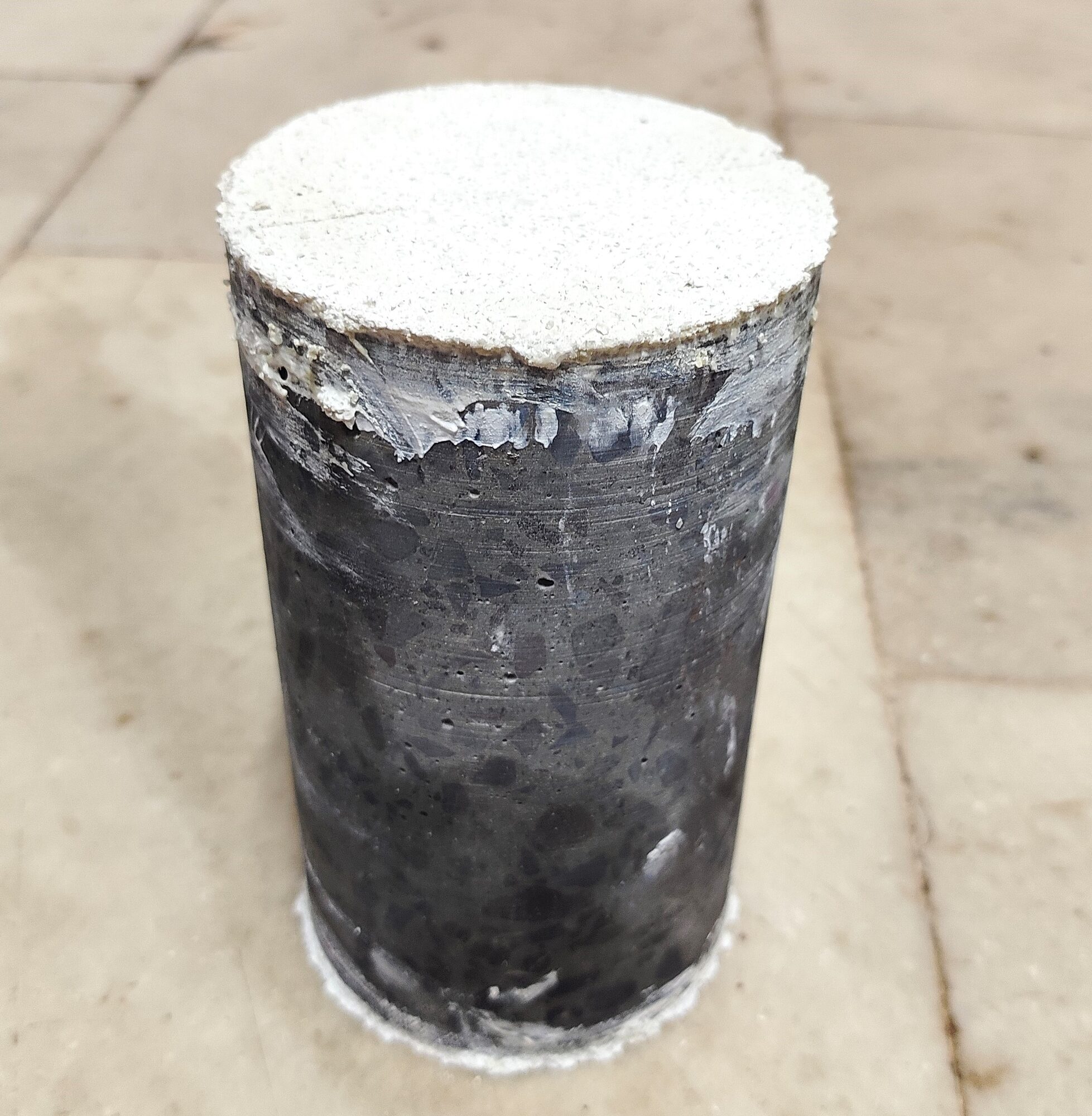
How bipolar corrosion inhibiting admixtures protect rebar, and the ASTM G109, RDSO M&C/PCN/126 and IS 9103 tests that prove it.
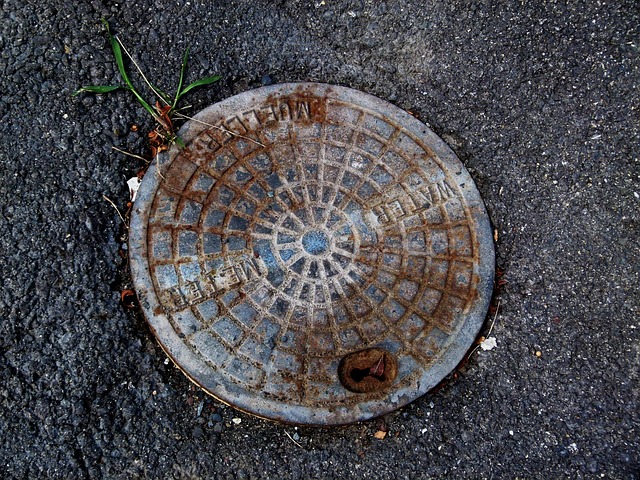
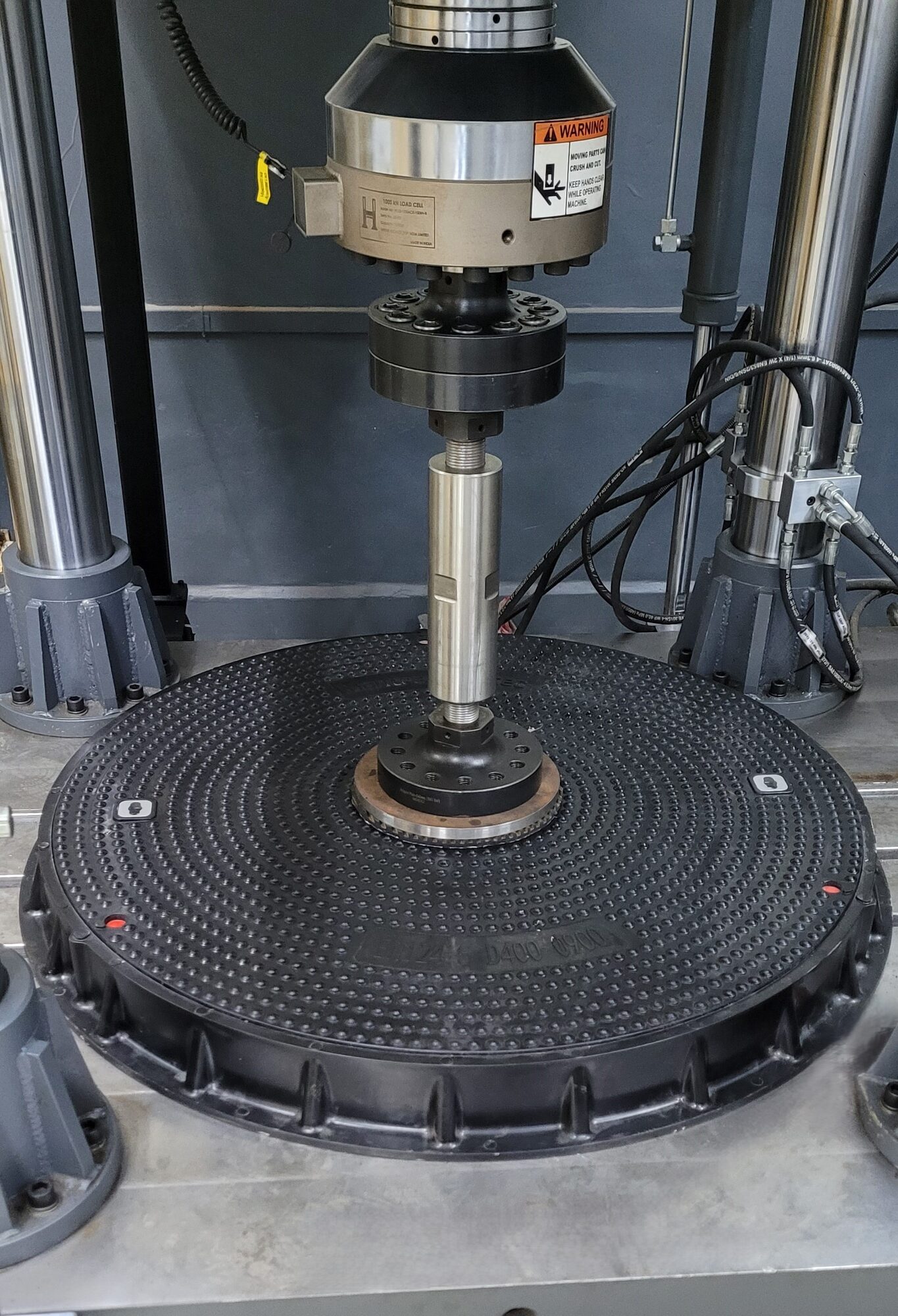
TCR Engineering in Navi Mumbai conducts EN 124-5 tests including load, deflection, tilt, fatigue (1L cycles), and permanent set for manhole covers.
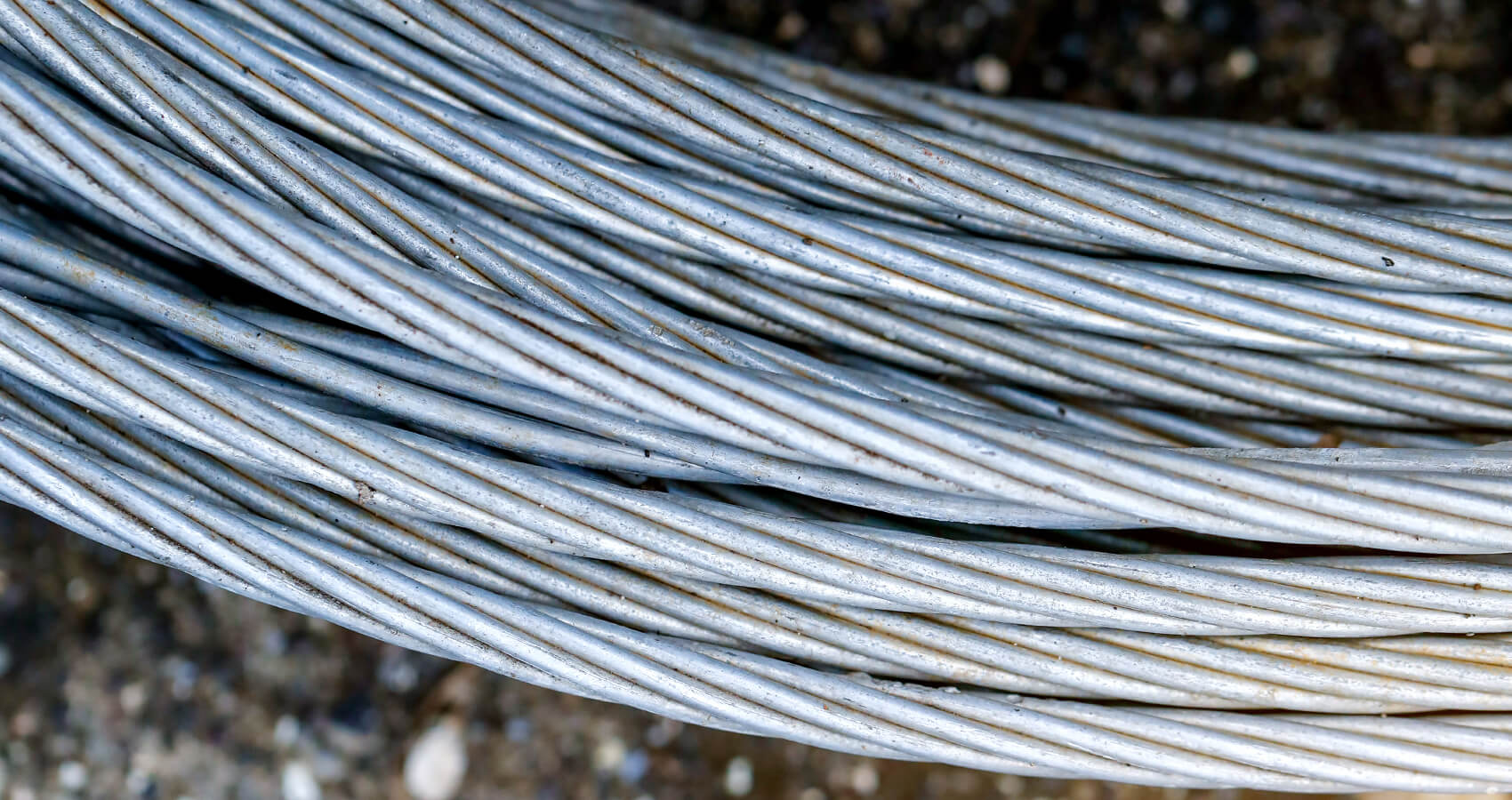
TCR Engineering conducts comprehensive HT strand testing as per ISO standards, ensuring structural safety for bridges and concrete projects.
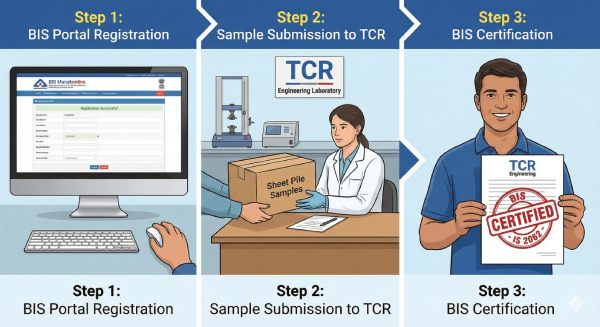
Sheet piles testing per IS 2062 for BIS certification requires Manakonline pre-registration. TCR Engineering guides manufacturers through the process.
Grout fatigue testing reveals how materials endure cyclic loads in bridges, wind turbines & offshore structures. TCR leads India in this field.
TCR ensures your manhole covers are built to perform—and built to last.
More than 500 bridges have been assessed across India through robotic NDT, structural audit and rehabilitation engineering, and the BMC programme from March 2026 adds AI-assisted robotic underwater inspection across 400-plus bridges, with sub-water pier and abutment work continuing on the Mumbai Coastal Road Project.
TCR carried the mechanical, chemical, metallurgical and non-destructive verification through construction of the Statue of Unity with Larsen and Toubro, a year-long onsite engagement, and delivered conventional NDT for structural fabrication at the Adi Shankaracharya Statue of Oneness.
Bridge work runs per IRC SP 35, IRC SP 18 and IRC SP 40, with loads per IRC 6, alongside BS 5400, AASHTO LRFD and the FHWA Bridge Inspector's Reference Manual methodology, converting visual distress into measured condition for owners and investors.
Yes. High-tensile strand for prestressed bridge decks, Mumbai and Pune flyovers and high-speed-rail viaducts is qualified for tensile, stress-relaxation and 2 million-cycle fatigue per IS 14268, ASTM A416 and ISO 15630-3, with grout fatigue capability per CEB-FIP Model Code, a first-in-India laboratory capability.
Yes. Structural audits run under Maharashtra Clause 77 with half-cell potential and carbonation surveys, ground penetrating radar, ultrasonic pulse velocity and rebound hammer per IS 13311, thermography, and residual life certification, producing the condition evidence municipal authorities and societies require.