Chemical Analysis Testing: Why Material Composition Decides Project Outcomes
Chemical analysis testing verifies what your material actually contains. TCR's NABL-accredited lab covers OES, ICP-OES, wet chemistry & RoHS.

Group
Services · Materials Testing
Sub-ppm tramp elements by graphite-furnace atomic absorption, parts-per-billion detection by ICP, and bullion assay under Bombay Metal Exchange Association approval. Where no published protocol exists, the bench develops and validates the method itself.
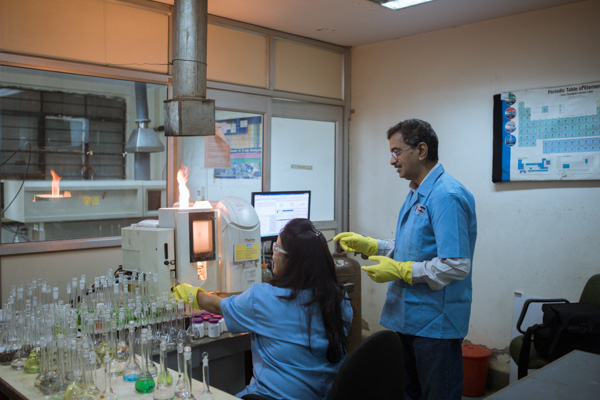
TCR Engineering performs chemical composition analysis of ferrous and non-ferrous metals, alloys, ores, slags and residues at its NABL ISO/IEC 17025:2017 accredited laboratory (NABLT0726MH18640) in Navi Mumbai. The bench combines classical wet chemistry with OES, ICP, AAS, XRF and LECO combustion analysis, reporting from percentage levels down to parts per billion.
Chemical composition analysis of ferrous and non-ferrous metals, alloys, slags, ores, and residues. The TCR chemical laboratory maintains a dedicated classical wet chemistry department. Bullion assay. TCR is a BSE/NSE approved assayer for precious metals and is an ICCL/BSE Approved Assayer plus Bombay Metal Exchange Association approved laboratory.
RoHS compliance testing by both non-destructive XRF screening and ICP wet-chemical verification, plus lead detection, for electronics, coatings, and consumer-goods buyers. Ferrography and oil analysis support rotating-equipment condition monitoring.
TCR has an advanced chemical analysis laboratory with expert chemists. It has the capability to analyse ferrous and non-ferrous metals, ceramics, glass, refractories, mineral and Ferro alloys in PPB or PPM level or in percentage. TCR’s capabilities include Wet Chemistry, Optical Emission Spectroscopy (OES), Inductively Coupled Plasma (ICP) Spectrometer, Automatic Combustion based Carbon and Sulphur determinator, XRF spectrometer, and more.
An inherent strength of TCR Engineering Services is the ability to successfully undertake analytical chemistry assignments. The highly qualified analytical chemists are experienced in using the full range of analytical instruments including advanced Spectrometers and Wet Chemistry laboratory facilities. TCR caters to all analytical requirements for Ferrous, Non-Ferrous Metals, Ceramics, Glass, Refractory, Minerals and Ferro Alloys. The chemical department analyses samples in all forms including drillings or turnings, solid samples, and liquids.
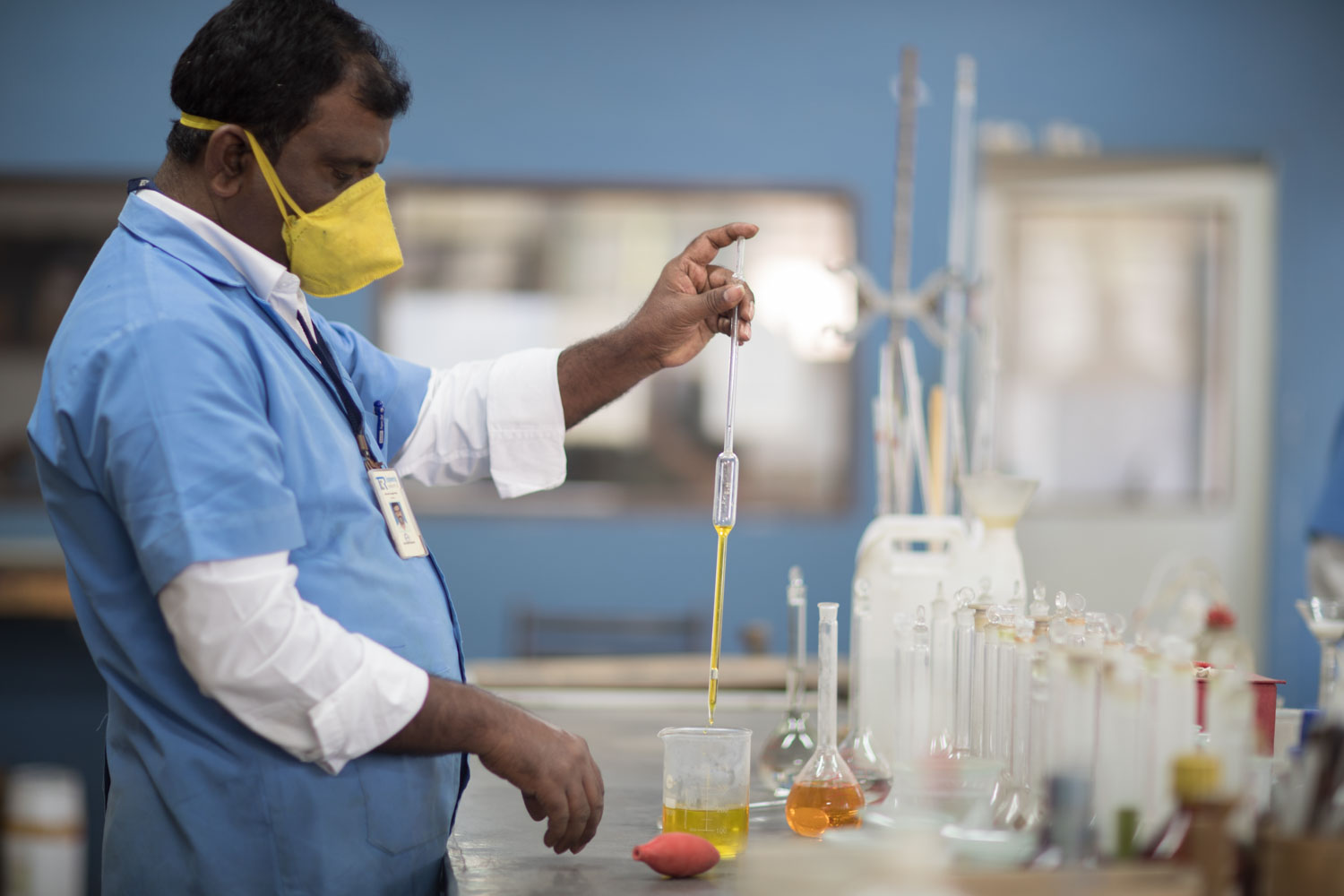
The Classical Wet Chemistry (bench chemistry) Department uses Gravimetry (chemical species is determined by weighing) and Titrimetry (involves volume measurement of a liquid reactant) procedures to analyse the chemical composition of materials. It assists in the identification of unknown materials and gaining an understanding of their chemical composition, structure and function. Most classical wet chemical methods can accommodate comparatively small amounts of a sample in diverse shapes or forms. Fully compliant with the environmental standards of India, the wet chemistry department at TCR is highly sought-after by leading companies all over the world, right from trace chemical analysis to very low detection levels.
TCR Engineering Material Testing Laboratory provides both analytical and interpretive expertise, including method development, method validation and identification of unknown materials. The lab can successfully meet all challenges, whether it is for PPB or PPM level analysis or in percentage. TCR has the capability to provide results with both, standard specifications and client supplied specifications. It has the expertise to develop customized analytical procedures for analysis of materials and substances for which no protocol is available.
Wet-chemistry bench equipment: microwave digestion system, four electro analysers, three electronic balances, vacuum pump, muffle furnaces, and heating ovens.
Equipment
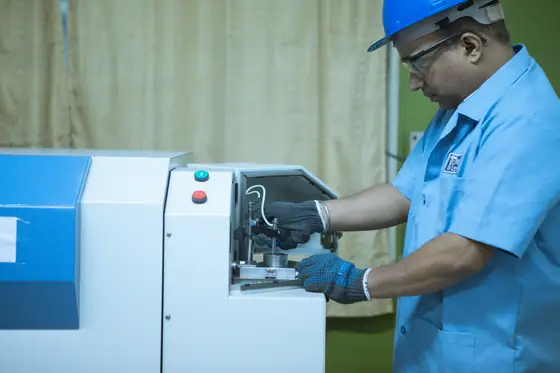
TCR Engineering has a wide range of equipment that is available for chemical analysis:
Spectrometer:
The sensitivity of GFAA enables performances of elemental analysis that is virtually impossible using other analytical techniques. These are used to determine ppm and sub-ppm levels of residuals in metals. GFAA is also particularly useful for the determination of low boiling point tramp elements in aerospace alloys.
This method is particularly pertinent in material analysis for the detection of trace metals.
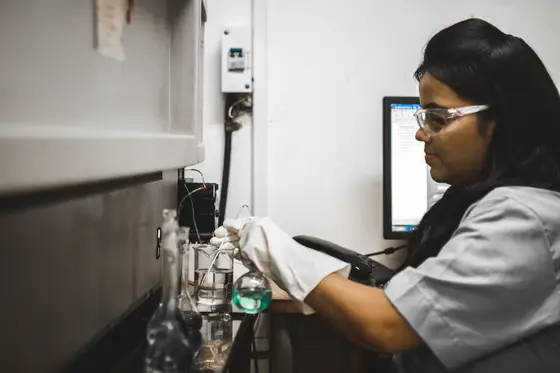
ICP is a spectrophotometric method carried out in solutions where high temperature argon plasma is used to reduce matrix effects, giving straight-line calibrations. This enables low sample weights to be analysed and coupled with its wide calibration range making them the most flexible instruments that are available today with parts per billion detection limits.
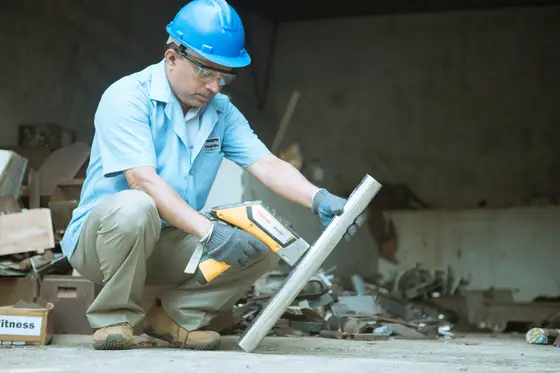
These instruments enable the rapid quantitative determination of a wide range of alloys including carbon/low alloy steels, stainless steels, cast irons, aluminium alloys, nickel alloys and copper alloys. It entails a relatively simple sample preparation that allows a rapid turnaround of results using this technique.
X-Ray Diffraction Analysis (XRD) investigates the crystalline material structure, including atomic arrangement, crystallite size, and imperfections. The X-rays are generated by a cathode ray tube, filtered to produce monochromatic radiation, collimated to concentrate, and directed toward the sample.
Combustion carbon and sulphur determination are accepted as the most accurate methods for determining carbon and sulphur in metal, ore or powder samples. These samples may be in the form of solid material, drillings or powders. This technique is mainly used to complement ICP or OES for a full chemical analysis of metallic samples.
Representative engagement. Casale SA, Switzerland, urea and melamine licensor, approved under vendor code 1000007973 on the SX3000 schedule (June 2025).
Primary methods: Optical Emission Spectrometry (OES) for fast bulk analysis. Atomic Absorption Spectrometry (AAS) for trace elements. Inductively Coupled Plasma Optical Emission Spectrometry (ICP-OES) for multi-element scanning. Combustion Analysis (LECO) for carbon and sulphur. Inert Gas Analysis (IGA) for nitrogen and oxygen. Classical wet chemistry for verification and arbitration analyses.
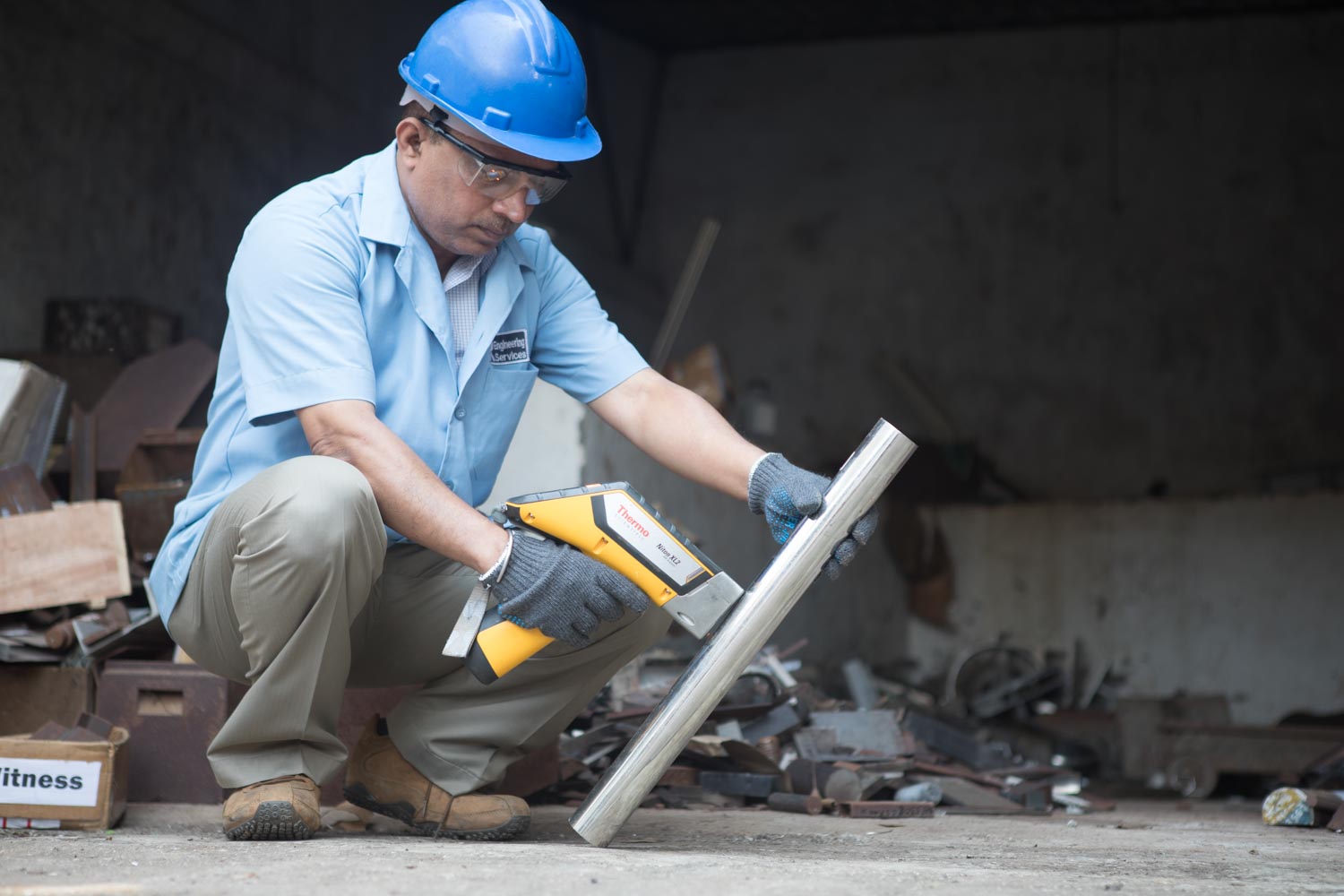
Glow Discharge Spectrometry (GDS) for surface and depth-profile analysis, Energy Dispersive X-ray (EDAX) micro-analysis, and X-ray Fluorescence (XRF) for portable and bench alloy identification.
Standards: ASTM E1086, ASTM E415, ASTM E1019, ASTM E1479, ASTM E350 through E353, IS 228 series, EN 10204, plus product-specific compositional limits per applicable ASTM, ISO, and BIS standards.
21 of the 135 published insights tagged to Materials Testing bear directly on Chemical Analysis. The 6 most relevant are below.
Chemical analysis testing verifies what your material actually contains. TCR's NABL-accredited lab covers OES, ICP-OES, wet chemistry & RoHS.
Trust TCR's wet chemistry lab for precise FeV & FeNiMo testing. Certified methods, expert chemists, and accurate results—every time.
TCR Engineering Services in India has the portable optical emission spectrometer
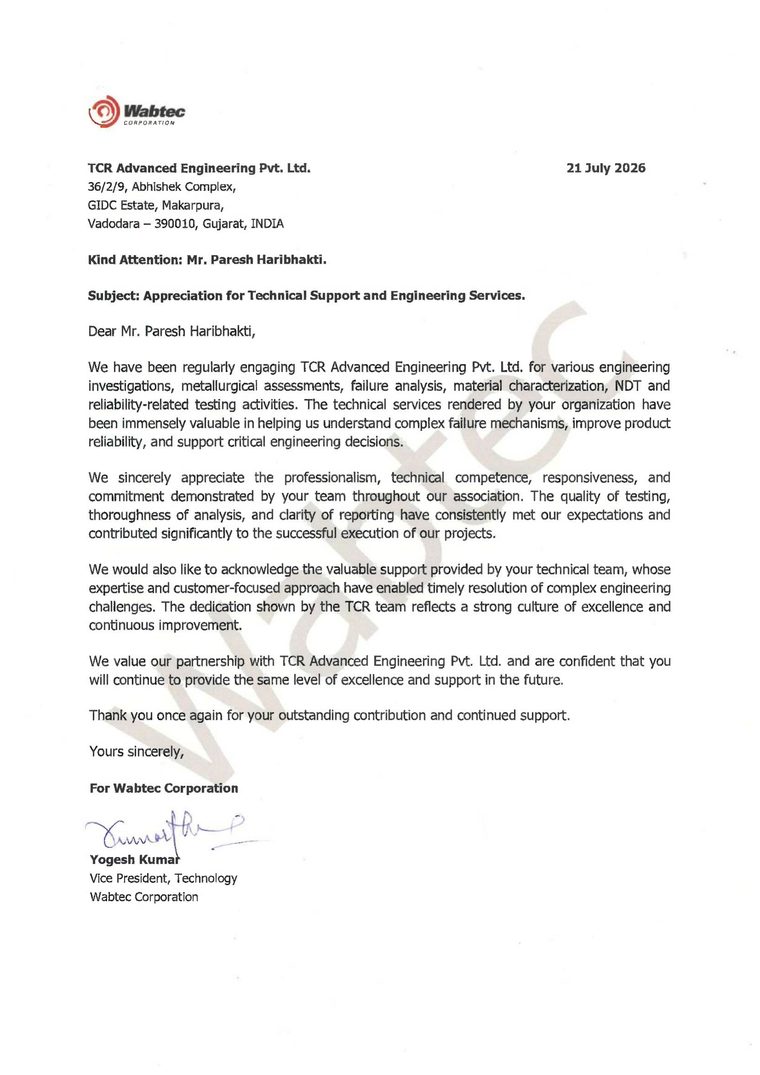
Wabtec Corporation has written to TCR Advanced Engineering to record its appreciation for engineering investigations, metallurgical assessments,…
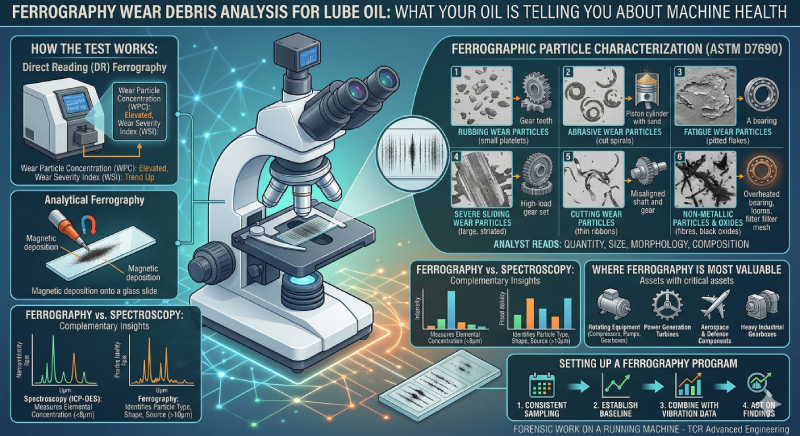
Your lube oil carries detailed evidence of what is happening inside your rotating equipment. Ferrography wear debris analysis reads that evidence…
NACE corrosion testing per PDO SP-2347 for carbon steel line pipes. TCR's Mahape lab is PDO-approved for HIC and SSCC testing to NACE standards.
The laboratory runs Optical Emission Spectrometry for fast bulk analysis, ICP-OES for multi-element scanning, Atomic Absorption and Graphite Furnace AAS for trace elements, XRF for alloy identification, LECO combustion for carbon and sulphur, inert gas analysis for nitrogen and oxygen, and classical wet chemistry for verification and arbitration analyses.
TCR analyses ferrous and non-ferrous metals, ceramics, glass, refractories, minerals and ferro alloys, with detection from percentage levels down to ppm and ppb. Samples are accepted in all forms, including drillings, turnings, solid pieces, powders and liquids, and unknown materials can be identified through customised analytical procedures.
Yes. TCR Engineering operates under NABL ISO/IEC 17025:2017 accreditation, certificate NABLT0726MH18640, covering 1,483 scope items across laboratory and site testing. NABL is an ILAC MRA signatory, so TCR test reports are accepted across more than 90 economies, including by A2LA, UKAS, DAkkS and Cofrac.
Yes. The laboratory reports against standard specifications and client-supplied specifications, and develops customised analytical procedures for materials and substances where no published protocol exists. Method development, method validation and identification of unknown materials are part of the standing analytical and interpretive service.