+91 98335 30200  ·  sales@tcreng.com
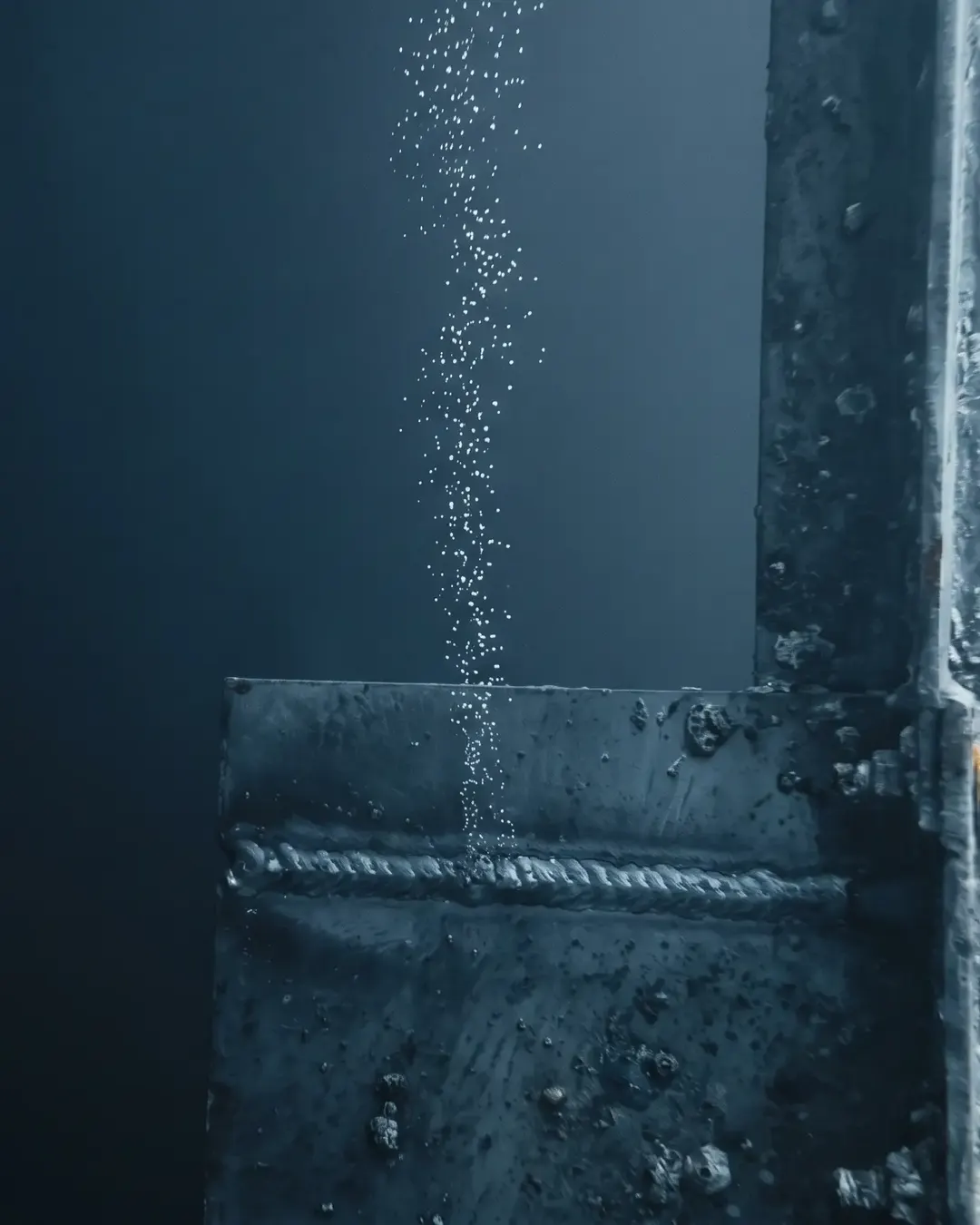
A fine trail of bubbles rising from a submerged weld in cold water

Services · Non-Destructive Testing

Helium Leak Testing per ASME BPVC Section V Article 10

Usable helium sensitivity in the 10^-11 atm.cc/s range, with a roughing capacity of 10 cubic metres per hour, taken on site to nuclear carriers, polymer plants, refineries and turbine halls across Kuwait, Saudi Arabia and India.


Request a Quote

Overview

Helium Leak Test capability across Sniffer mode, Vacuum mode, and Hood mode for pressure-vessel, heat-exchanger, and reactor leak qualification. ASTM E499, ASTM E498, ASME V Article 10.

Overview

TCR provides vacuum leak testing for all types of vacuum vessels and pressure probe testing for systems operating at or above ambient pressure. Any system requiring leak tightness or suspected of leakage issues can be tested using these helium leak testing methods with high reliability.

The Helium Leak Testing unit at TCR employs advanced mechanical vacuum pump technology specifically designed for heavy-duty use in challenging industrial environments. The rotary vane pump’s helium stability ensures exceptional consistency of the helium signal, while the Molecular Drag Pump (M.D.P.), operating at a low rotational speed of 27,000 RPM, provides full insulation against accidental air influxes. This design also allows for the leak detector to be relocated during operation. The high compression ratio of the M.D.P. enables efficient gross leak testing at elevated pressures (7.5 Torr / 10 mbar), significantly accelerating the leak testing process for outgassing components. The internal configuration of the unit allows for easy access to all components, enhancing usability. TCR’s Helium Leak Testing instrument boasts a roughing capacity of 10 m³/h (7 CFM) with usable helium sensitivity in the 10^-11 atm.cc/s range. Additionally, it features a dedicated sniffing unit based on a reliable leak-testing concept, suitable for outboard leak testing applications.

TCR has conducted numerous leak tests on-site across various industries, including nuclear carriers, polymer plants, oil refineries, and gas and steam turbine power plants in Kuwait, the Kingdom of Saudi Arabia, and India.

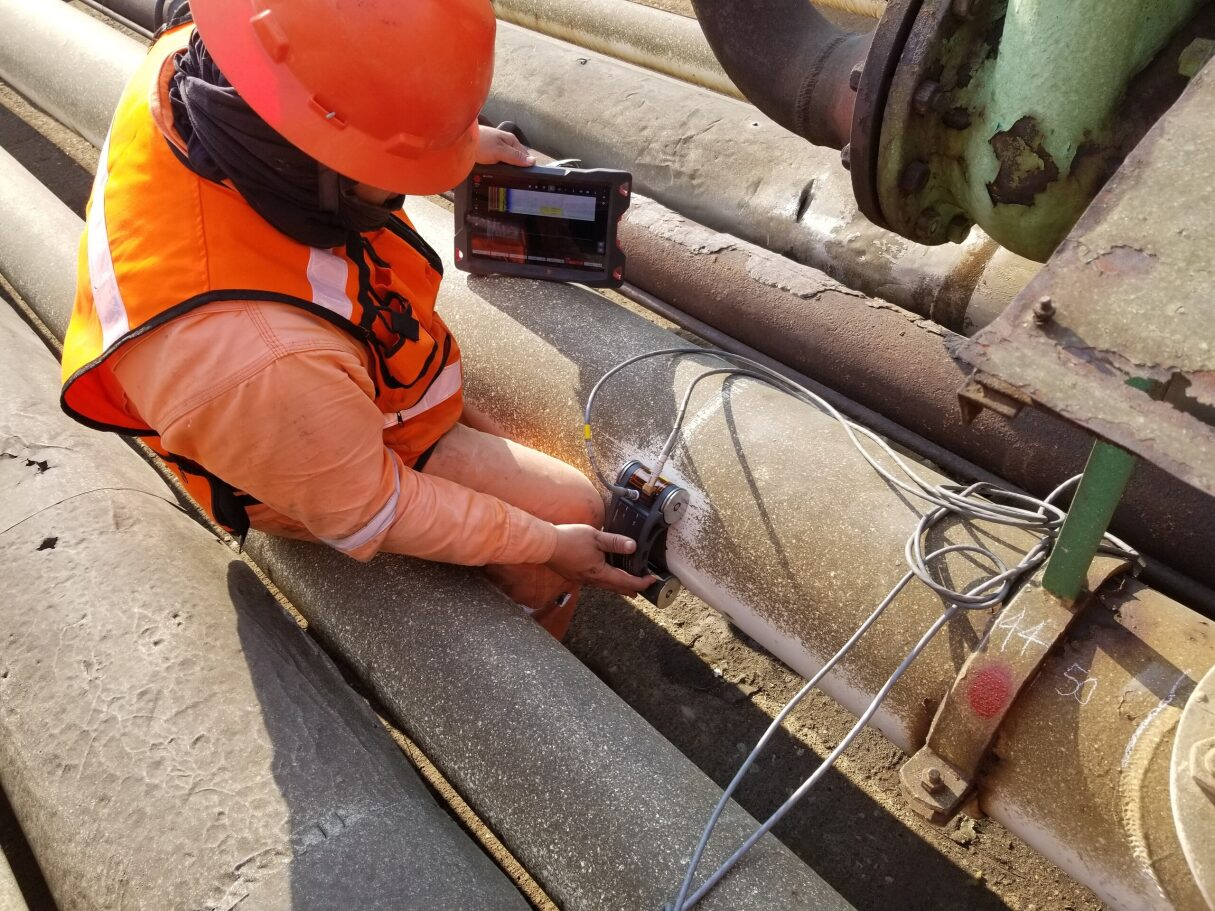
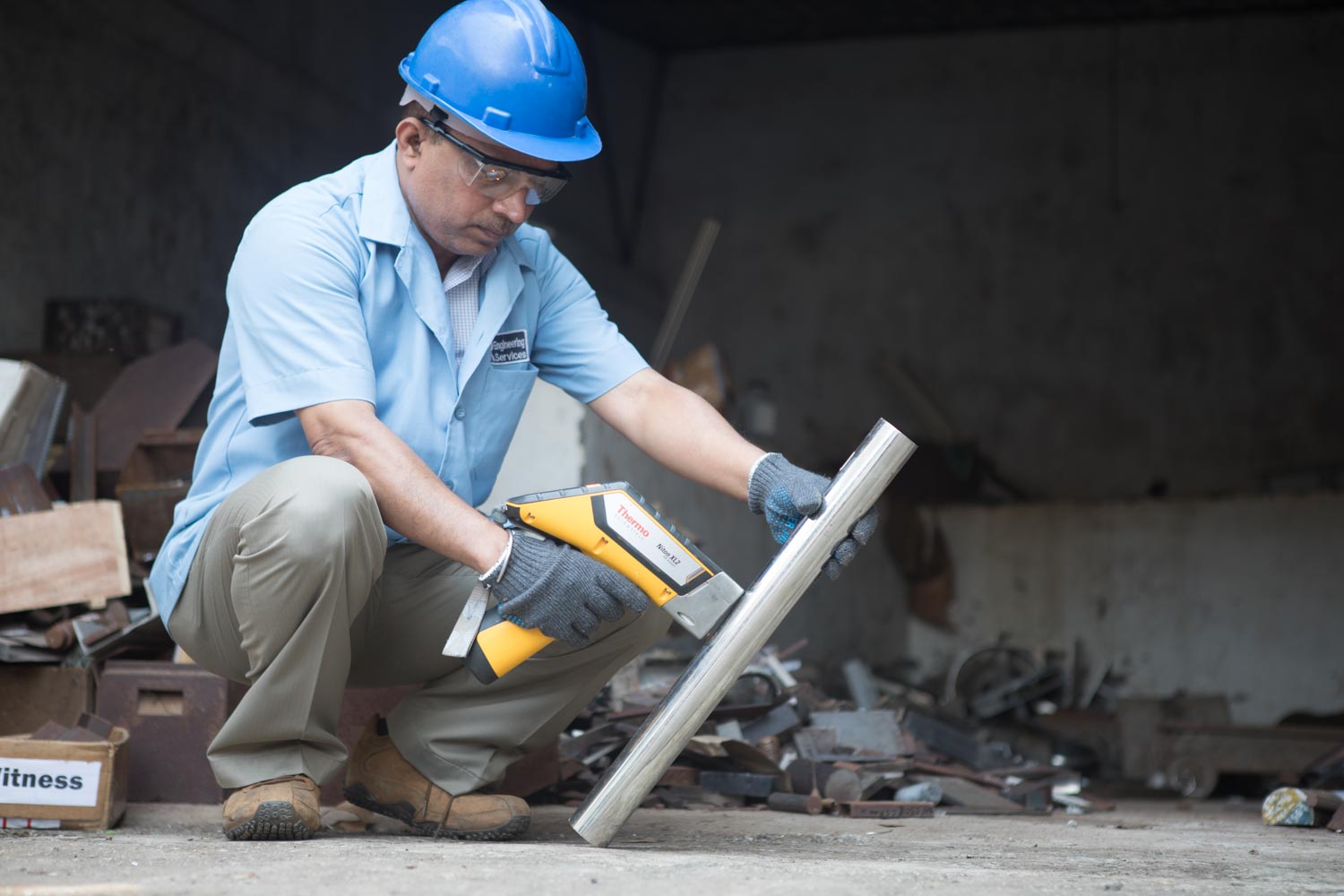
Our technicians are highly mobile and perform helium leak testing on a wide range of systems and components, including heat exchangers, steam turbines, condensers, distillation towers, and buried pipelines.

Modes of operation and governing standards

TCR runs helium leak testing in Sniffer, Vacuum, and Hood modes, covering both vacuum vessels and systems that operate at or above ambient pressure.

Vacuum leak testing suits all types of vacuum vessels, while pressure-probe testing addresses systems at or above ambient pressure. Any system that requires leak tightness, or that is suspected of leakage, can be qualified by one of these modes. The methods run to ASTM E499, ASTM E498, and ASME Section V Article 10.

ModeApplicationStandards
Sniffer modeOutboard leak testing of components at or above ambient pressureASTM E499; ASTM E498; ASME V Article 10
Vacuum modeVacuum vessels and evacuated systemsASTM E499; ASTM E498; ASME V Article 10
Hood modeLeak qualification of pressure vessels, heat exchangers and reactorsASTM E499; ASTM E498; ASME V Article 10

Field record and mobile crews

TCR has conducted numerous leak tests on-site across nuclear carriers, polymer plants, oil refineries, and gas and steam turbine power plants in Kuwait, the Kingdom of Saudi Arabia, and India.

The crews are highly mobile and perform helium leak testing on a wide range of systems and components, including heat exchangers, steam turbines, condensers, distillation towers, and buried pipelines. Usable helium sensitivity in the 10^-11 atm.cc/s range means very small through-leaks can be found and located before a system is committed to service.
Helium leak testing on video

TCR publishes its own work on YouTube. One film is below, recorded on the bench and in the field. Each one loads only when you press play: nothing is requested from Google before that.

Podcast Episode 3: Detecting the Invisible – Understanding Helium Leak Testing | TCR Advanced

Related insights

65 of the 65 published insights tagged to Non-Destructive Testing bear directly on Helium Leak Testing. The 6 most relevant are below.

Read all 65 Non-Destructive Testing insights →All insights →

Frequently asked questions

What leak testing modes does TCR offer?

TCR offers helium leak testing in Sniffer, Vacuum and Hood modes. Vacuum leak testing covers vacuum vessels, and pressure-probe testing covers systems that operate at or above ambient pressure, so any system that requires leak tightness can be qualified.

How sensitive is the helium leak test?

The instrument offers usable helium sensitivity in the 10 to the power minus 11 atm.cc/s range, with a roughing capacity of 10 cubic metres per hour. Gross leak testing runs at elevated pressures of 7.5 Torr or 10 mbar for outgassing components.

Which standards govern helium leak testing at TCR?

Helium leak testing follows ASTM E499, ASTM E498 and ASME Section V Article 10, across Sniffer, Vacuum and Hood modes.

What equipment and systems can be leak tested?

TCR performs helium leak testing on heat exchangers, steam turbines, condensers, distillation towers and buried pipelines, and has tested systems at nuclear carriers, polymer plants, oil refineries and power plants in Kuwait, the Kingdom of Saudi Arabia and India.

Prove the seal before the process tests it.

Request a Quote