TCR Engineering and Chugai Technos Sign MOU to Connect India and Japan in Inspection and Asset Integrity
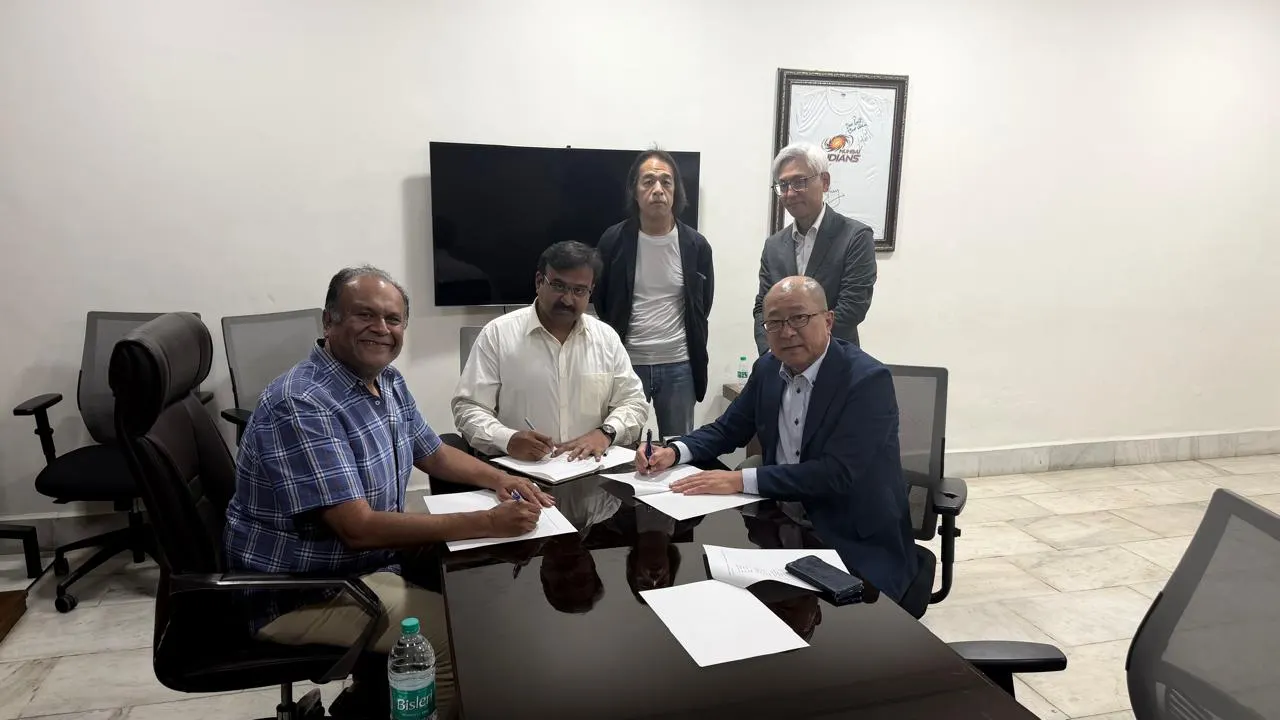
TCR Engineering and Chugai Technos sign three-party MOU on 29 April 2026 to channel inspection and asset integrity services across regions.

Group
Services · Asset Integrity and Engineering Consulting
Senior consultants review the design before it becomes a fabrication problem: materials selection, welding engineering, heat treatment, and stress analysis, with computer-aided engineering that extends to finite-element modelling, structural analysis, reverse engineering, and rapid prototyping.
TCR Engineering Services Pvt. Ltd., a NABL ISO/IEC 17025:2017 accredited laboratory in Navi Mumbai, reviews pressure vessel, piping and storage tank designs against ASME Section VIII, ASME B31.1, ASME B31.3, API 650 and API 620, supported by finite element analysis and pipe stress work on Caesar II.
TCR’s dedicated engineering and metallurgical consulting team solves manufacturing and product quality problems. TCR's senior consultants are available to support and advise on corrosion and materials selection queries. The team also provides advisory service on welding engineering and heat treatment problems.
From initial product design to final production, TCR’s in-depth engineering consulting services ensure that clients are producing the best possible product.
TCR also undertakes research projects in the areas of Computer-Aided Designing (CAD) including Engineering Design, Legacy Data Conversion, Detailing Plant & Process Layout, CAM and Computer-Aided Engineering (CAE) including Finite Element Modelling.
Areas of research assistance include:
TCR Engineering provides design and analysis services such as Computer Aided Designing (CAD) Engineering Design, Legacy Data Conversion, Detailing Plant & Process Layout, CAM, Computer Aided Engineering (CAE) including Finite Element Modelling, Structural Analysis and Noise, Vibration, Harshness (NVH) analysis, and Project Management Services.
The team consists of a pool of highly qualified professionals armed with diversified technical skill sets. The experts have an optimum mix of experience, enthusiasm, extensive knowledge of design, product development and software domains.
3D laser scanning is delivered through an external partner. It is real and bookable; it is not on the TCR balance sheet. Capability covers LiDAR-based point clouds, brownfield revamp planning, and CAD/BIM integration for pipe-rack, reactor-area, and offsite tank-farm capture.
Reverse engineering, prototype development, vendor identification, and acceptance test campaign management for capital equipment that the buyer wants to source domestically against an imported reference.
In order to generate baseline standard for indigenization, multiple metallurgical studies are undertaken to identify status and properties of imported components by different methods including destructive/non-destructive studies. Technical help is provided to decide on the right manufacturing route or process and to develop quality checks on indigenously created components.
TCR’s proprietary approach seeks structural details from the client across several areas to optimize indigenization support:
Weight loss experiments: Samples of different metals/alloys are exposed to simulated or actual process plant solution in the laboratory, with and without stirring. Coupons of different metals/alloys are exposed to actual plant environment and a systematic approach is formulated, based on the requirement of intended services, literate survey and relevant standards like NACE, ASTM and API. The laboratory study is performed on the exposed sample to categorize the performance and a suitable MOC is recommended. Electrochemical experiments to find out relative corrosion resistance is performed by accelerated testing under laboratory conditions. MOC selection is done with off the shelf database and is combined with the experience of other experts drawn from published literature.
TCR undertakes total quality improvements for stringent requirements against international specifications. A thorough survey is undertaken by auditing the existing manufacturing procedure followed by stage-wise investigations of raw material and other components required for product manufacturing. Effects of processing conditions are derived with respect to different properties of the component. Based on the study, recommendations are made for improvements in metallurgical process/raw material. The required quality control checks are suggested to ensure consistency for optimum and continuous production.
TCR deploys a team of expert metallurgists to perform this task. The specially designed report enlists the fundamentals of metallurgical processing variables on final properties of the components and includes recommendations for corrective measures.
Representative engagement: Larsen and Toubro Vadodara, PFBR advanced material testing laboratory setup and indigenisation.
ASME Section IX-compliant WPS development, repair-methodology design, post-repair NDT plan, and FFS-supported sentencing for weld repairs in pressure-boundary service.
TCR prides itself on having a huge knowledge bank of success stories compiled from over 1800 failure investigations across several industries. The insights gained in the area of failure mechanism has augmented the knowledge of TCR’s technical team and because of this, there is a direct implementation of repair weld solutions.
With its deep technical and market expertise, TCR is a leading player in solving critical weld repair solutions for the aged plant components.With limited material resources and increased value of new products, repair weld solutions can salvage critical components of process plant and ensure massive savings by mitigating production loss. The repair weld technology requires an in-depth understanding of metallurgical degradations, operating conditions, physical metallurgy and welding technology. There is a right solution for every problem that can be determined via strong fundamentals, technical competence, and engineering output.
When a plant with critical machinery component has a breakdown, an immediate problem resolution is necessary. There have been several instances when repair welding is done with little or no understanding of the metallurgical fundamentals and this proves to be disastrous. The management loses trust in its usefulness and technical competency. This philosophy promotes hasty decisions for replacing the components at a premium cost. Instead, a systematic detailed metallurgical investigation would provide the extent and nature of degradation, thereby utilizing the knowledge of metallurgy and a proper welding procedure can be devised.
TCR has helped many industries by providing repair solutions on critical pump casing, shaft, nitrided components reformers and many other such issues.
Representative engagements: Sulzer Chemtech Middle East, Bahrain, finite-element simulation of bulged reactors (January 2026); Aditya Birla Hindalco Dahej, crane finite-element stress analysis (December 2024).
25 of the 86 published insights tagged to Asset Integrity bear directly on Engineering Design Review. The 6 most relevant are below.
TCR Engineering and Chugai Technos sign three-party MOU on 29 April 2026 to channel inspection and asset integrity services across regions.
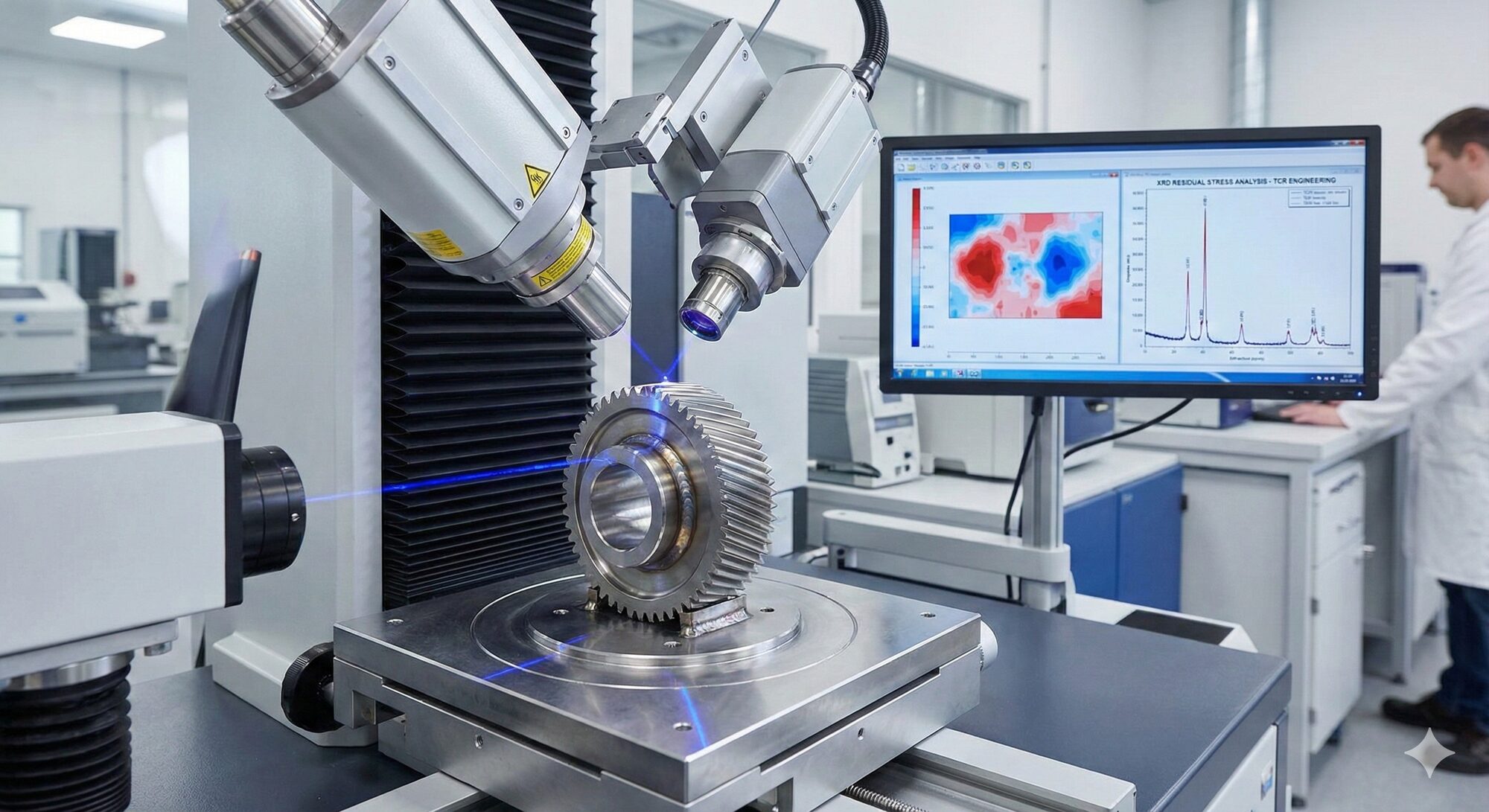
TCR Engineering's XRD residual stress measurement service provides non-destructive testing for metallic components with expert analysis.
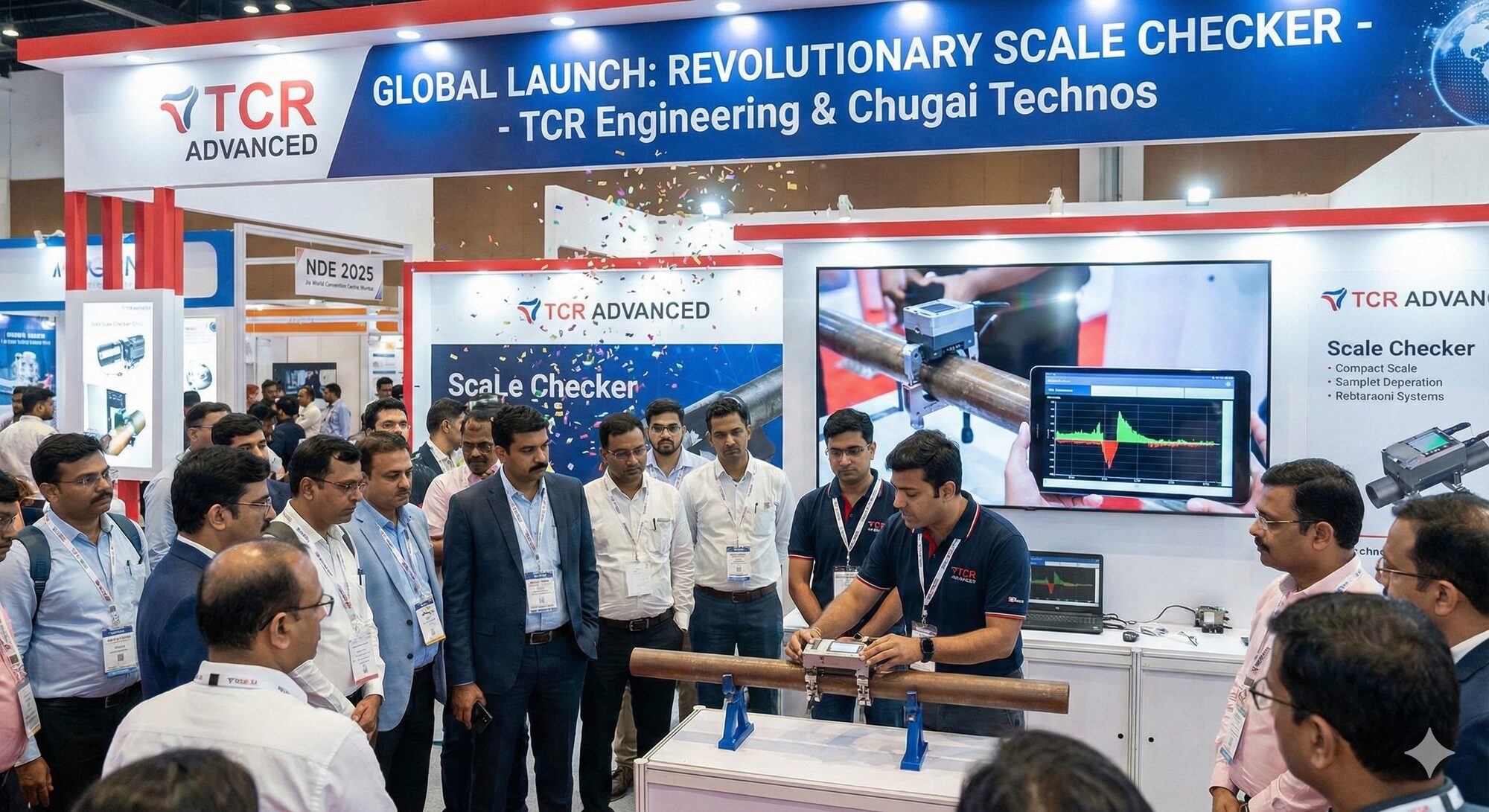
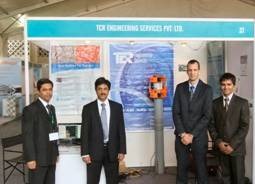
TCR Engineering unveils Scale Checker at NDE 2025 Mumbai Dec 11-13. Revolutionary pipe inspection in 3 minutes. Visit TCR Advanced booth now!
Asset integrity management oil and gas: AiOM® platform with 9000+ failure investigations. Strategic value creation for energy leaders.
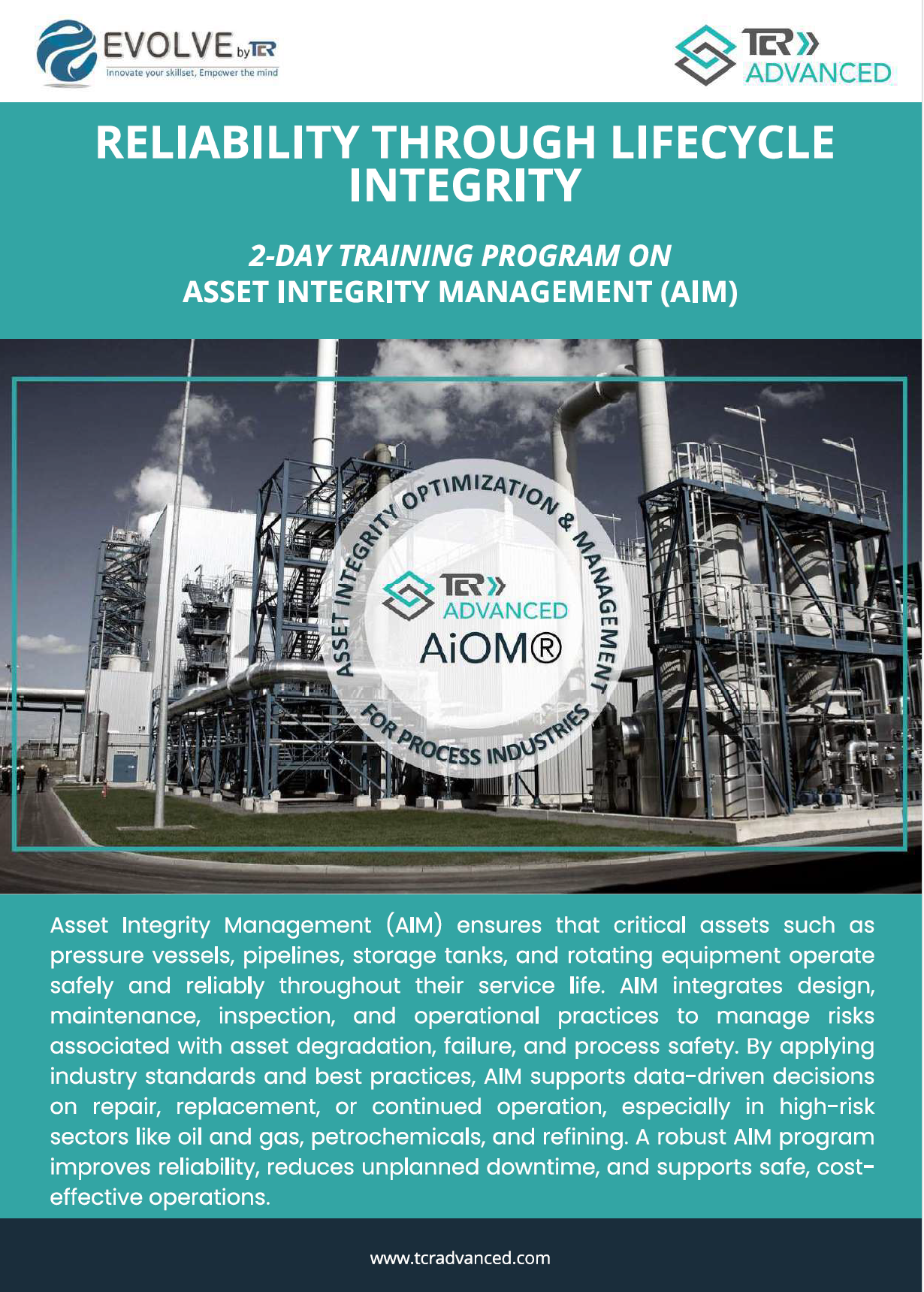
Reimagine asset integrity. Join our 2-day deep-dive training on lifecycle reliability this September in Vadodara.
TCR Engineering Services participated in the Fertilizers Association of India (FAI) annual seminar 2011. The Fertilizers Association of...
Design reviews run against ASME Section VIII Division 1 and Division 2 for pressure vessels, ASME B31.1 for power piping, ASME B31.3 for process piping, API 650 for welded oil storage tanks, and API 620 for low-pressure tanks, with pipe stress analysis on Caesar II and finite element analysis through Ansys and Abaqus via a partner.
The team performs finite element modelling with 2D, hybrid, hexa and tetra meshing, and structural analysis spanning linear and non-linear, static and dynamic, contact stress, fatigue, thermal, impact and crash cases, alongside noise, vibration and harshness studies covering sound transmission, sound radiation and structure-borne and air-borne noise.
Yes. Senior consultants advise on corrosion and materials selection, welding engineering and heat treatment, preparation of material and process specifications for in-house quality control, identification of equivalents between local and foreign specifications, and comparison of vendor or competitor products, from initial product design through final production.