Advanced Acoustic Emission Testing Services: TCR Engineering's Expertise in Critical Asset Inspection
TCR Engineering offers advanced Acoustic Emission Testing services using Vallen AMSY-6 technology for storage tanks & pressure vessels

Group
Services · Non-Destructive Testing
Tanks can be read while they stay in service. Partner-delivered platforms scan floors without emptying or degassing, and an ATEX/PESO certified rover works tanks up to 25 m high and 100 m across at roughly ten times scaffolding speed.
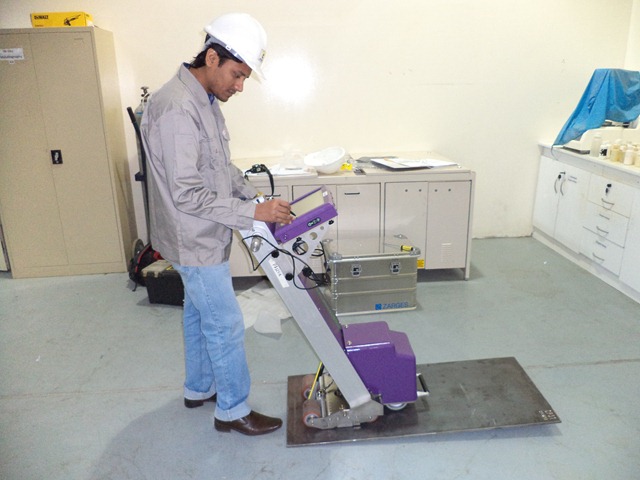
Above-ground storage tank inspection per API 653 6th Edition (2024). Floor, shell, and roof inspection using Magnetic Flux Leakage (MFL) floor scanners, including the Silverwing FloormapVS2i system for top-side and bottom-side discrimination. Ultrasonic shell thickness mapping. Visual inspection of roof and appurtenances. Long Range Guided Wave for buried piping around tank farms.
TCR is also undertaking acoustic emission testing for storage tanks.
In-service inspection through partner-delivered platforms eliminates the need for tank entry and degassing: the ITAS Rover for tank internals (29+ tanks, partner company), the OTIS in-service robotic tank inspection for API 653 floor scanning with 8-transducer ultrasonic capability without emptying (partner company), the Planys-partnered underwater ROV for above-ground water-storage tank under-water inspection (HD camera, SONAR silt assessment, ultrasonic probe with gimbal 3 to 250 mm range, entry through 20-inch manhole, portable approximately 35 kg, AC 230V at 6 kW; capability covering desalinated, potable, fire-water, hydrant, and de-mineralised water tanks plus sumps, intakes, outfalls, channels, and reservoirs), and the robotic tank inspection rover with ATEX/PESO certification for tanks up to 25 m height and 100 m diameter, delivering approximately 50 percent cost reduction and 10x speed against scaffolding-based methods.
Reference: The WTCO 3-year robotic tank inspection contract commenced Q1 2025 (TCR Arabia delivery, project leads Naser Salahuddin and Shaheensha Shahulhameed).
Standards: API 653 (above-ground storage tanks), ASME PCC-2 (repair of pressure equipment).
Magnetic flux leakage testing detects corrosion, erosion, pitting, and circumferential cracks in the carbon-steel floor plates of above-ground storage tanks, and it sizes material loss with millimetre-level accuracy.
MFL suits tank floors because a scanner carrying an array of magnetic sensors covers large surface areas quickly, often hundreds of square metres, and maps material loss for compliance with API 653 and API 650. TCR runs the Silverwing FloormapVS2i floor scanner, which discriminates top-side from bottom-side loss so that internal corrosion and soil-side corrosion are reported separately.
Acoustic emission testing monitors an above-ground storage tank for active leaks, corrosion, and structural weakness by reading the stress waves that defects emit under load, following API 650 and API 653.
Highly sensitive acoustic sensors are attached to the tank walls. After the tank is conditioned by turning off heaters and agitators, the sensors detect stress waves generated when the tank is subjected to pressure changes, temperature fluctuations, or external loads, and TCR triangulates the location of potential flaws, particularly those in the tank floor. The tank is then graded from A to E for maintenance management. Large-asset monitoring runs on the Vallen AMSY-6 system, with 254-channel capability for storage tanks, columns, and pressure vessels.
Ultrasonic shell thickness mapping records the remaining wall of each shell course, and for storage tanks the thickness is measured from outside first, followed by the shell course from the bottom.
Floor, shell, and roof inspection runs to API 653 6th Edition (2024), with visual inspection of the roof and appurtenances and Long Range Guided Wave for buried piping around tank farms. Repairs are specified to ASME PCC-2.
| Method | Application | Standards |
|---|---|---|
| Magnetic flux leakage floor scanning | Tank floor corrosion, erosion and pitting | API 653; API 650 |
| Acoustic emission testing | Active-leak detection and floor-condition grading | API 650; API 653 |
| Ultrasonic shell thickness mapping | Shell-course remaining wall | API 653 |
| Repair of pressure equipment | Tank floor and shell repair | ASME PCC-2 |
The same asset is also covered from the robotic angle: see robotic tank inspection for in-service, no-entry floor scanning.
20 of the 65 published insights tagged to Non-Destructive Testing bear directly on Storage Tank Inspection. The 6 most relevant are below.
TCR Engineering offers advanced Acoustic Emission Testing services using Vallen AMSY-6 technology for storage tanks & pressure vessels
Detect and size underfloor corrosion for above ground storage tanks
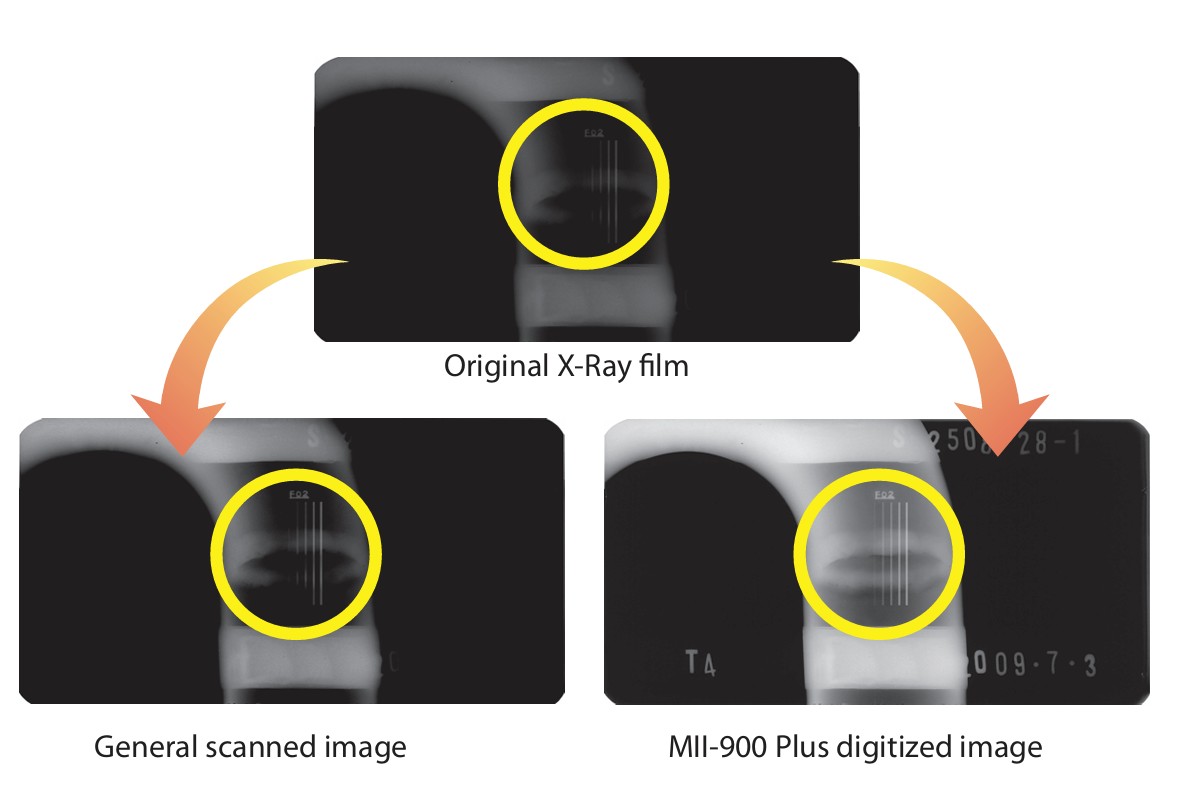
TCR Engineering digitizes RT films for Indian oil & gas projects, eliminating storage costs while preserving radiographic quality per IOCL specs.
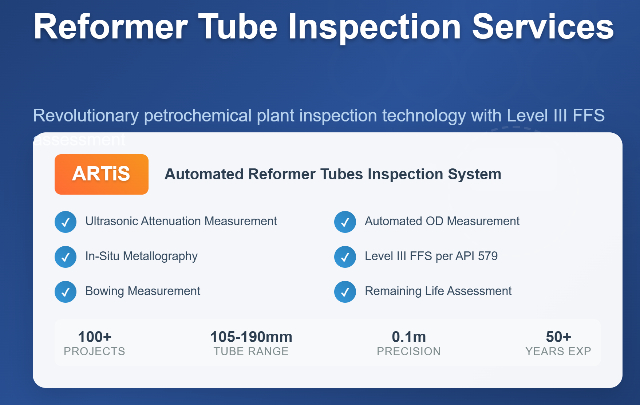
ARTiS revolutionises reformer tube inspection with Level III FFS assessment per API 579, predicting failures months ahead of traditional methods.
Ensure your heat exchangers run at peak performance! Trust TCR Engineering for tube inspections with rapid mobilization and cutting-edge NDT
Baseline Laser Scan and Remote Visual Inspection of Coker Drums inspection in SATORP
Read all 65 Non-Destructive Testing insights →All insights →
TCR uses magnetic flux leakage floor scanning to find corrosion, erosion and pitting, acoustic emission testing to detect active leaks and grade floor condition, and ultrasonic thickness mapping for the shell courses. The work follows API 653 6th Edition.
The Silverwing FloormapVS2i floor scanner discriminates top-side from bottom-side metal loss, so internal corrosion and soil-side corrosion on the tank floor are reported separately rather than as a single combined loss.
Sensors on the tank wall read the stress waves emitted by defects once the tank is conditioned by turning off heaters and agitators. TCR triangulates the flaws, particularly those in the floor, and grades the tank from A to E for maintenance management under API 650 and API 653.
Yes. For in-service, no-entry inspection TCR deploys partner-delivered robotic platforms that scan the floor while the tank stays in service. That robotic route is described on the robotic tank inspection page, while this page covers the manual NDT methods.